CityLife · 城市
What actually breaks in your first week in China
Not the language, and not the trains. The friction sits in registration, gates, and the first payment you try to make.

The short answer
- The entry paperwork is the easy part now. Unilateral visa-free entry covered 50 countries by mid-2026, with 240-hour transit permission applying to 57 countries across 65 ports, and 22.91 million foreign visitors arrived in the first half of 2026, up 20.4 per cent.
- What breaks is the chain of small registrations. A visitor needs a passport-linked payment account, a phone number that works on Chinese networks, and a way through a transit gate — three systems that were each rebuilt between roughly 2013 and 2024, and which still do not talk to each other.
- The payment shift is measurable and recent. Cash stopped being the everyday method around 2016, and over the 2026 May holiday, transactions by incoming visitors rose 45.15 per cent by number on domestic card networks, while spending through one international wallet provider rose close to 70 per cent.
The full history, the documents behind it, and the practical reading are below.
The airport train sells tickets from a machine with a Chinese interface, and the card slot does nothing when a foreign bank card goes into it. There is cash in the wallet, but the machine takes small notes and will not return change in the coin it wants. Nearby, a young woman is scanning a code on her phone and walking through a gate, which takes about a second and involves no purchase at all. A taxi rank outside is queueing for cars that are all electric and none of which will take a paper note without a QR code on the dashboard.
None of this is a policy failure. It is a country that rebuilt its retail plumbing over fifteen years, arriving at a place where the ordinary systems assume you were born here.
The usual explanation
Two explanations get offered, and only one of them holds up against the dates.
The first is bureaucracy: China is difficult, paperwork is heavy, and visitors endure it. The second is cash: carry cash, and the problems go away. Both have been overtaken by the record. Cash-based explanations stopped being true somewhere around 2016, when scanning a code replaced most everyday payment, and the paperwork explanation stopped being true when unilateral visa-free entry took 50 countries and the transit window became long enough that a hotel booking no longer determined how long someone could stay.
What replaces both is more specific. The friction has moved from a single national gate to a chain of independent systems: a payment app that wants a passport, a phone number that wants an identity check, a transit gate that wants a card it recognises, and a hotel registration that has to be filed within a fixed window. Each one works. They are simply not connected to each other, and a first-time visitor meets them one at a time rather than as one system.
The people who have the smoothest first week are not the ones who prepared hardest. They are the ones who did one specific thing before landing.
Three systems that do not talk
The useful way to think about the first week is as three separate arrangements, each with its own rule and its own onboarding.
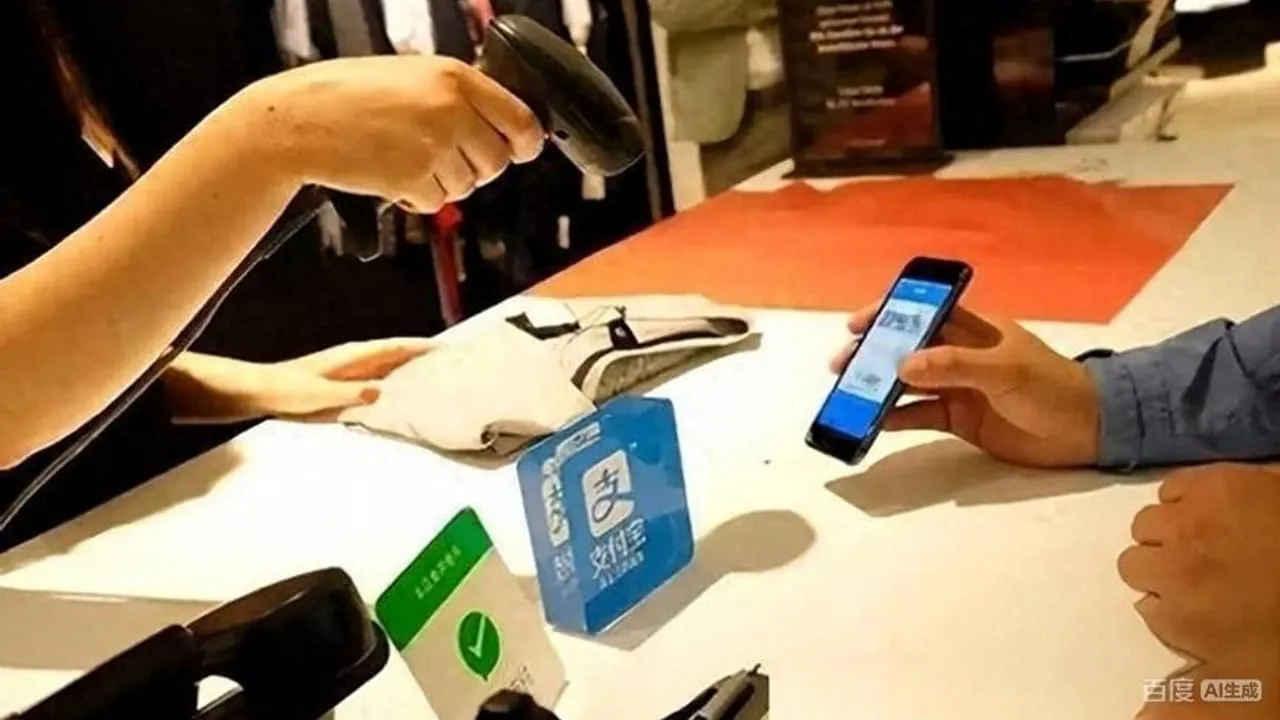
Payment. The two dominant apps can be used by visitors without a Chinese phone number: an account can be opened with a passport and linked to an overseas Visa, Mastercard or JCB card. That much has been true for a while, which is why the growth figures are as large as they are — over the 2026 May holiday, one international wallet provider reported inbound spending up close to 70 per cent, and domestic card networks reported incoming visitor transactions up 45.15 per cent in number and 36.96 per cent in value.
The phone. A domestic number is what most delivery, ride-hailing and booking services key on, and getting one is the step that most often gets skipped and later regretted. Airports and border crossings have counters selling short-term data plans, and the range runs from about seven days to a month, which covers most trips in one purchase.
Transit. Here is where the gap is widest. Large cities accept overseas cards directly at subway gates, and high-speed rail sells tickets online in English. What does not work in the same way is using an overseas card at a municipal machine that expects either a domestic card or a local payment code. The workaround is straightforward once known, and unknown until then.
That ordering matters. Payment is solved and improving fast, and the phone number is solvable in an afternoon at a counter.
Transit is the one where the official and the practical answers differ, which is why why a foreign card won’t open the subway gate is a separate piece.
The stays that need filing
Accommodation is the rule most visitors never hear about, and it is the one that carries a real obligation rather than a practical obstacle.
Hotels with the qualification to receive foreign guests register a visitor directly against the passport at check-in, which is the ordinary case. The obligation arises when the arrangement is not a hotel: staying with relatives or friends, or in a rented property, requires an accommodation registration to be filed within 24 hours of check-in, through the immigration service’s online channel or at a local police station. Failing to file is an offence with a defined consequence, which is why it is worth knowing before the first night rather than after.
The same administrative channel provides the emergency and information lines a visitor needs — a bilingual tourism hotline run by the culture and tourism administration is available around the clock for enquiries and complaints — and it is the route to use when something has gone wrong rather than the route people assume.
Most hotels, it is worth saying, do the filing themselves without being asked.
What it costs to move around
Pricing is not the problem; the mix of accepted forms is. Cards issued outside China work in large malls, hotels and airport retail, and domestic card-branded cards work across most point-of-sale terminals. What does not work reliably is a foreign card on a municipal transport machine, and cash has retreated to the role of a backup rather than a daily method — which is a reversal that took roughly two years to complete and is covered in why cash stopped being the default in China.
The practical consequence for a first week is that a small amount of local currency covers the gaps: a locked-out phone, a battery that died before the code loaded, a small vendor in a place where the code did not work. Airport and bank counters both exchange it, and the rates differ slightly between them. Small denominations matter more than the sum, because a single large note can be hard to change in a small shop.
Trains are the exception to the payment problem rather than part of it. The national rail booking platform has an English version, accepts international cards, and lets a visitor buy against a passport number; at the station the passport itself is the credential used at the gate, and some stations will read it on a machine to issue a reimbursement receipt.
What it is not, and what to do before you land
Three things this account is not. It is not a claim that the country is difficult: the entry process itself has been getting easier, and the growth in arrivals is the clearest evidence of that. It is not a safety account — the friction described here is administrative, and the problems experienced by most visitors are about systems rather than about anything else. And it is not a description of every city, since the transit gap is widest where a visitor is most likely to arrive first.
The single highest-value preparation is unglamorous and takes an evening: open the payment account before departure, with a passport number to hand. The next two are quicker — buy a data plan at the border rather than relying on roaming, and change a small amount of local currency into small notes, because one large note is hard to break in a small shop. The fourth is a deadline rather than a task: know where accommodation registration is filed.
Everything else can be worked out on the ground. Those four cannot, because each needs a document or a window, and neither is available after landing.
The wider pattern is collected under CityLife, the payment side is covered in why one app runs the whole day, and the way a printed rule can fix the price of an ordinary object is covered in why Chinese households keep every plastic bag. For why arrangements like this can feel older than the paperwork behind them, see why these habits look older than they are.
Why it is being copied now (2026)
Practical advice about China travels further than almost anything else on this site, and the reason is in the numbers rather than in the trend.
Inbound arrivals reached 22.91 million in the first half of 2026, up 20.4 per cent year on year, of which 17.82 million — 77.7 per cent — came in visa-free and up over 30 per cent on the previous year. The single-sided visa-free list had reached 50 countries, and the 240-hour transit permission applied to 57 countries and 65 ports. In February 2026 the United Kingdom and Canada were added to the unilateral list, which is why European and North American short-notice travel both increased.
Visitors have gone past the cities that were on the itinerary a decade ago. Their footprints now cover close to 500 cities in the country, which is a different information problem from the one the older advice solved.
None of that is part of the Chinamaxxing trend, and it does not need to be. This is the large, unglamorous flow of people who already planned to come, and it arrives with a search history attached.
Common questions
Is a visa needed for China now?
It depends on your passport, and for many nationalities the answer changed recently. Unilateral visa-free entry covered 50 countries by mid-2026, with the United Kingdom and Canada added in February 2026. Separately, a 240-hour transit permission applied to 57 countries across 65 ports, which covers a trip that is a stopover rather than a holiday.
Is a Chinese phone number needed?
Not for everything, and yes for most practical purposes. The two main payment apps can be opened with a passport and linked to an overseas card without a domestic number. Delivery, ride-hailing and many booking services do key on a local number, and short-term data plans are sold at airport and border counters for roughly seven days to a month.
Do foreign bank cards work for payment?
In shops, usually. Cards issued outside China work at large malls, hotels and airport retail, and domestic card-branded cards work across most terminals. The exception that catches people out is municipal transport: a foreign card will often not work at a subway ticket machine, even in a city whose gates accept it.
Is accommodation registration required?
If you stay in a hotel with the qualification to receive foreign guests, the hotel does it against your passport at check-in. If you stay with friends, relatives or in a rented property, you must file an accommodation registration yourself within 24 hours, online through the immigration service channel or at a police station.
How much cash should a visitor carry?
Enough to cover gaps, which is a small amount rather than a budget. A few hundred yuan covers a dead phone, a failed binding or a small vendor where a code does not work. Take it in small denominations, because a single large note is hard to change in a small shop, and exchange at an airport or bank counter where the rates differ slightly.
The documents behind this
- Unilateral visa-free entry arrangements, covering 50 countries by mid-2026, with the United Kingdom and Canada added in February 2026.
- The 240-hour transit permission, applicable to 57 countries across 65 ports.
- National immigration administration figures for the first half of 2026, recording 22.914 million inbound foreign visitors, up 20.4 per cent, of which 17.815 million (77.7 per cent) were visa-free and up over 30 per cent year on year.
- Accommodation registration rules, requiring a visitor staying outside a qualified hotel to file with the immigration service within 24 hours, through the national service channel or at a local police station.
Where this goes next
The CityLife section covers the habits that formed recently. The first week itself is filed under first week and traveling in China, the payment side under foreign cards, mobile payment and subway.
For the specific failure at the gate, read why a foreign card won’t open the subway gate; for what replaced the coins and notes, why cash stopped being the default in China and why one app runs the whole day. For how a country rewrote the ordinary plumbing of shopping in about two years, see why you order by scanning the table.
Written and checked against published sources. See how we work
Keep reading
 CityLife · 城市
Why a foreign card won't open the subway gate
Overseas cards open subway gates directly in Beijing, Shanghai, Guangzhou and Chengdu, but ticket machines still expect a local code. The gap dates from 2011.
 CityLife · 城市
Why a foreign card now works on a Chinese phone
Linking an overseas card to a Chinese payment app once failed at verification. A July 2023 upgrade and a 2024 limit raise — $1,000 to $5,000 — made it work.
 CityLife · 城市
Why one app runs the whole day
The app launched in 2011 as a messenger. Payment arrived in 2013 and mini programs in 2017; by 2024 it reported roughly 1.4 billion monthly users.