CityLife · 城市
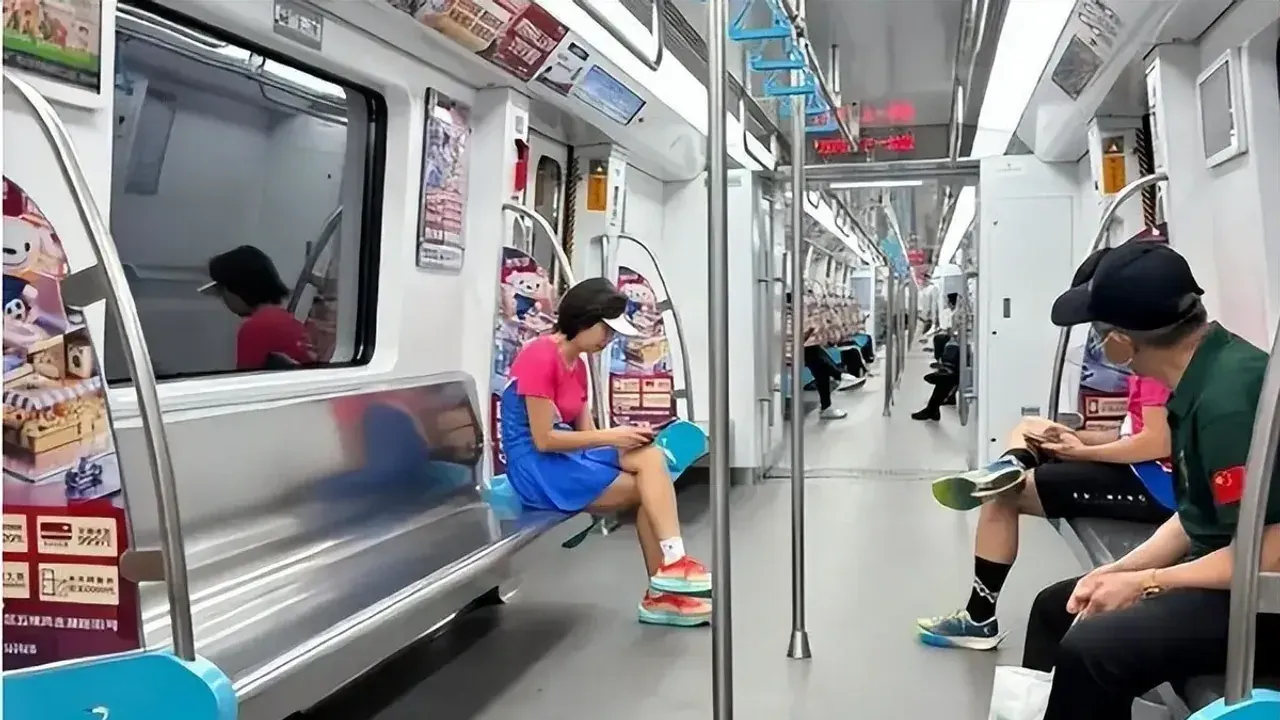
Why a foreign card won't open the subway gate
Four main cities read foreign cards at the gates. The machines beside them do not, and that split is the problem.
The short answer
- The gate and the machine are different systems. Overseas bank cards can be tapped directly at subway gates in 4 main cities — Beijing, Shanghai, Guangzhou and Chengdu — while the ticket machines on the same platforms generally accept only a domestic card or a local payment code.
- The reason is dated. QR-code payment began in 2011 and took roughly 2 years to replace cash in everyday use, so machines were rebuilt around a code rather than around any card. Foreign-card support arrived at gates later, reaching those 4 cities as a separate addition.
- The official answer is consistent. Domestic card-branded cards work across most terminals, overseas cards work in retail, and the transport exception is stated plainly in guidance issued since 2023: an overseas card cannot be used on public transport.
The full history, the documents behind it, and the practical reading are below.
The turnstile reader glows on the outside of the gate. A traveller taps a card on it and pushes through, and the same card, in a hand a metre away, does nothing when offered to the machine that sold the ticket. Both are the transit system. One of them is reading the network the card is attached to, and the other is reading a code that has nothing to do with any card network.
It looks like a contradiction from the outside, because it is presented as one system and behaves as two. The gap is not a failure of either half. It is the shape left by how the two halves were built, years apart, by different parts of the same government.
The usual explanation
Two explanations get offered, and only one of them survives the dates.
The first is that it is a payments problem: foreign cards are not supported, or are not reliably accepted, so visitors have to work around a closed system. That account was true at the retail end of the 2010s and is now largely out of date. Overseas cards are accepted in large malls, hotels and airport retail, and a linked overseas card works inside the domestic payment apps — which is why inbound spending through those apps grew close to 70 per cent over the 2026 May holiday.
The second explanation says the transport network simply has not kept up. This is closer, but it points at the wrong thing. It is not that the transport network is behind; it is ahead of the visitor in a specific way. The gates were upgraded for the domestic card network first, and the machines are not behind that upgrade — they are running a different system entirely.
The distinction matters for what a visitor should do, because “the network is old” implies waiting, while “two systems built years apart” implies a specific workaround that already exists.
Two systems, years apart
The shape of the problem follows the order in which things were built.
2011 is the year QR-code payment became a product rather than an experiment, and it spread fast enough to be broadly normal within about two years. Over that period the ticket machine in front of a traveller stopped being something that took a note and became something that displayed a code to be scanned. That is the machine a visitor meets today: a screen asking to be paid by a phone.
The gates are a different case. A gate can read a physical card because it has a reader and a network connection, and that reader was built to talk to the domestic card network. Adding overseas cards at the gate was a change to readers that already existed, which is why it happened in the large cities first — Beijing, Shanghai, Guangzhou and Chengdu — and why it is now routine there.
So the machine was rebuilt around a code, and the gate was rebuilt around a card network. They were never the same project.
What that produces in practice is a system that is entirely capable of accepting a foreign card and, in the same transaction of buying a ticket, entirely unable to.
What works and what does not
The guidance is consistent once the two systems are separated, and worth setting out plainly because the exceptions are what cause confusion.
| Where | Overseas card | Notes |
|---|---|---|
| Subway gates, four main cities | Works | Tap the reader beside the gate; no ticket needed |
| Subway ticket machines | Generally does not work | Expects a domestic card or a local payment code |
| Domestic card-branded cards | Works widely | Across most point-of-sale terminals |
| Retail, hotels, airport | Works | Subject to the card’s own fees |
| High-speed rail | Works online | The booking platform has an English version and accepts international cards |
The national rail booking system is the exception that surprises people in a good way: tickets can be bought against a passport number, and the passport itself is the credential used at the station gate, with some stations able to read it on a machine to issue a reimbursement receipt.
The workaround, and what it costs
There is a route through this that does not require a domestic bank account, and it is the same route most visitors already need for shopping.
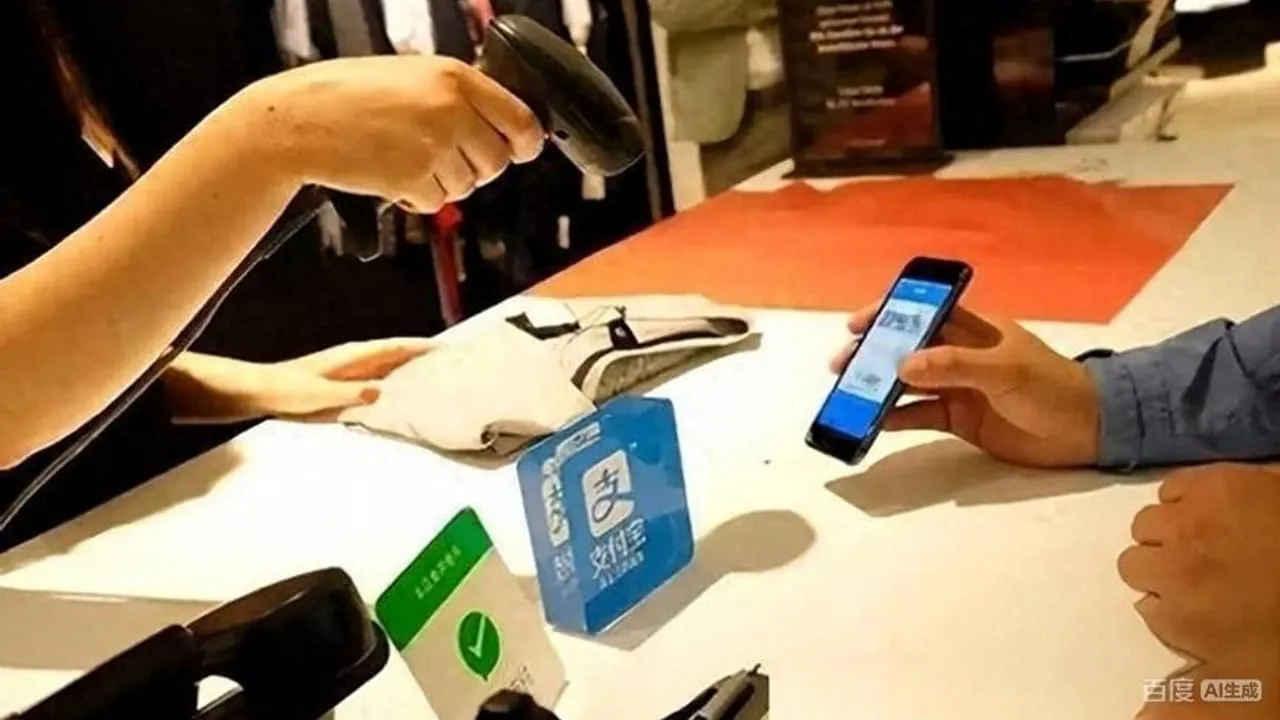
A payment app can be opened with a passport and linked to an overseas card, without a domestic phone number. Once that is done, the balance can be topped up and used at the machine, because the machine is asking for a code and the app produces one. The sequence is to bind the card before departure, top up a small amount on arrival, and scan.
A second route is simply to buy the ticket at a staffed counter, which exists at most stations and accepts cash. This is the fallback that works when the phone has no network, the battery is flat, or the binding failed.
What does not work is arriving with an overseas card and a plan to use it at the machine, which is the assumption most visitors start with.
What it is not, and what to do at the gate
Three things this account is not. It is not a claim that foreign cards are broadly refused: they work in retail, and they work at gates in four cities. Nor is it a claim about the quality or honesty of any operator, since the split is structural and nobody at the machine decides how it works. And it is not a claim that cash is required, since the app route and the staffed counter both work without a local bank account.
The practical answer has three parts and takes about ten minutes on arrival. Bind an overseas card to a payment app before departure, using a passport number, so the binding does not depend on a foreign network. Top up a small balance once connected. Use the gate readers in the four cities where they accept a foreign card, and the app or the counter everywhere else.
One thing worth knowing: this is a gap between two systems rather than a barrier, and it has been closing from the gate side. The direction of travel is not the other way round.
The wider pattern is collected under CityLife, the transport layer is filed under subway, mobile payment and qr code, and the card position under foreign cards.
For what the two years between 2011 and the end of that period actually replaced, see why cash stopped being the default in China and why one app runs the whole day. For the order in which to set these up during a first trip, what actually breaks in your first week in China covers the sequence, and why you order by scanning the table covers the same code arriving in restaurants. For why a gap like this can read as age rather than as architecture, see why these habits look older than they are.
Why it is being copied now (2026)
The reason this question is being asked so much more often is simply the number of people arriving.
Inbound foreign visitors reached 22.91 million in the first half of 2026, up 20.4 per cent year on year, of whom 17.82 million — 77.7 per cent — came in visa-free. Unilateral visa-free entry covered 50 countries by mid-year, and the 240-hour transit permission applied to 57 countries across 65 ports. With the United Kingdom and Canada added in February 2026, the audience for practical advice shifted sharply toward short-notice trips from Europe and North America.
None of that is part of the Chinamaxxing trend, and it should not be filed under it. This is not somebody copying a lifestyle; it is somebody booking a flight.
The other change is the payment side, where the growth figures are large enough to move the official position. Over the 2026 May holiday, transactions by incoming visitors rose 45.15 per cent in number and 36.96 per cent in value on domestic card networks, while spending through one international wallet provider rose close to 70 per cent. The gap at the gates is closing faster than the gap at the machines, and the difference is worth watching.
Common questions
Can foreign cards be used on the subway in China?
At the gates, in the main cities. Beijing, Shanghai, Guangzhou and Chengdu accept overseas cards directly at subway turnstiles — tap the reader beside the gate and walk through. The ticket machines on the same platforms are the problem, since they generally expect a domestic card or a local payment code.
Why does a card work at the gate but not at the machine?
Because they are different systems built years apart. The machine was rebuilt around a scanning code after QR payment arrived in 2011, while the gate reader was built to read a card network and gained overseas card support later as a separate change. Neither is malfunctioning.
Is cash needed for the subway?
Not if you have set up a payment app. An overseas card can be linked to one with a passport and no domestic phone number, and the balance topped up, after which the machine’s request for a code is satisfied. Cash works at staffed counters, which is the fallback when a phone has no network or no charge.
What about high-speed rail?
It is the easier case. The national booking platform has an English version, accepts international cards, and sells tickets against a passport number. At the station the passport itself is the credential used at the gate, and some stations can read it on a machine to produce a reimbursement receipt.
Is this changing?
Yes, from the gate side. Overseas card support at subway gates has spread beyond the four cities that led with it, and inbound payment volumes through the domestic apps are growing quickly. The ticket machines are the harder half to update, since they are built around a code rather than a card.
The documents behind this
- The introduction of QR-code payment in 2011 and its spread into everyday use over roughly the following two years, which rebuilt retail and transport machines around a scannable code.
- The addition of overseas card acceptance at subway turnstiles, beginning with Beijing, Shanghai, Guangzhou and Chengdu, on readers that had already been built to read the domestic card network.
- Published guidance on foreign payment cards in China, which states that overseas cards work in large malls, hotels and airport retail but cannot be used on public transport, and that domestic card-branded cards work across most terminals.
- National immigration administration figures for the first half of 2026, recording 22.914 million inbound foreign visitors, up 20.4 per cent, with 77.7 per cent arriving visa-free.
Where this goes next
The CityLife section covers the habits that formed recently, and the transport layer in particular. The systems involved are filed under subway, mobile payment, qr code and foreign cards, and the visitor’s side of it under traveling in China.
For the sequence that avoids all of this, read what actually breaks in your first week in China. For how the code reached restaurants before it reached anything else, see why you order by scanning the table, and for the two-year replacement it belongs to, why cash stopped being the default in China.
Written and checked against published sources. See how we work
Keep reading
 CityLife · 城市
What actually breaks in your first week in China
China's visa-free entry covered 50 countries in 2026, and 22.9 million foreign visitors arrived in the first half. The hard parts are registration and transit.
 CityLife · 城市
Why a foreign card now works on a Chinese phone
Linking an overseas card to a Chinese payment app once failed at verification. A July 2023 upgrade and a 2024 limit raise — $1,000 to $5,000 — made it work.
 CityLife · 城市
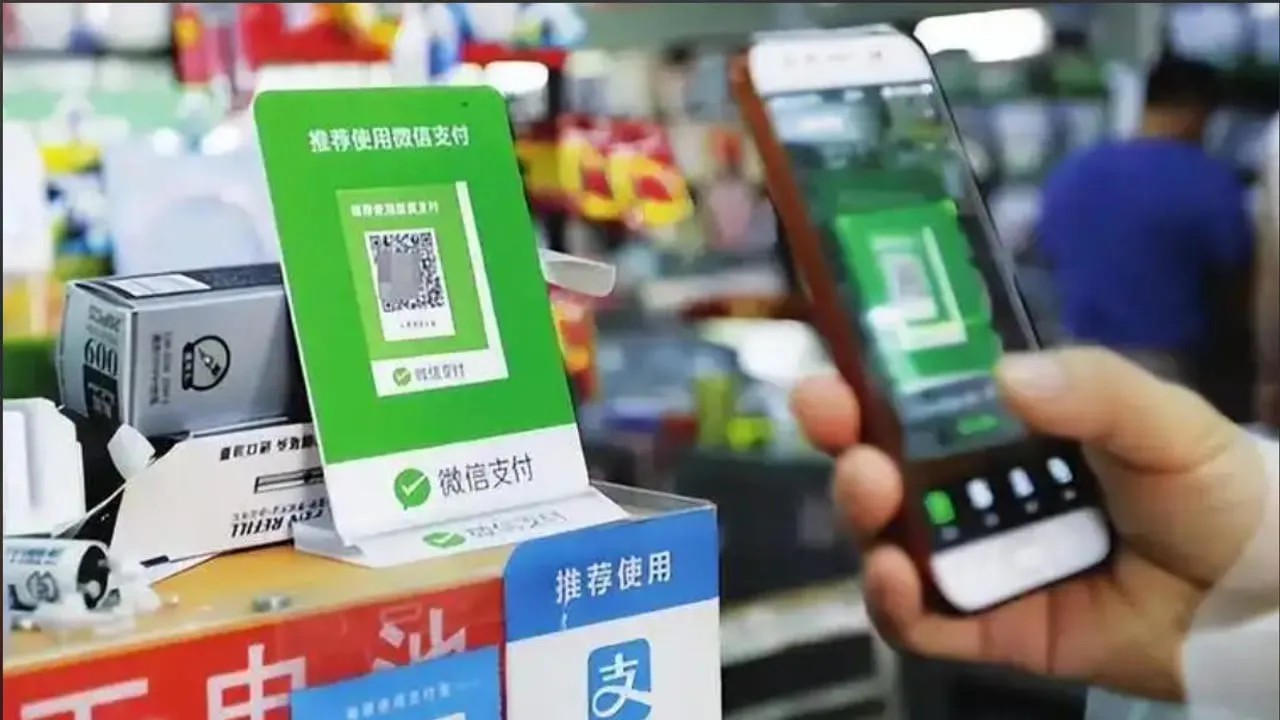
Why cash stopped being the default in China
QR payment became China's default between 2011 and 2013, built on a free 1994 patent, then halted by the central bank before formal recognition in 2016.