 CityLife · 城市
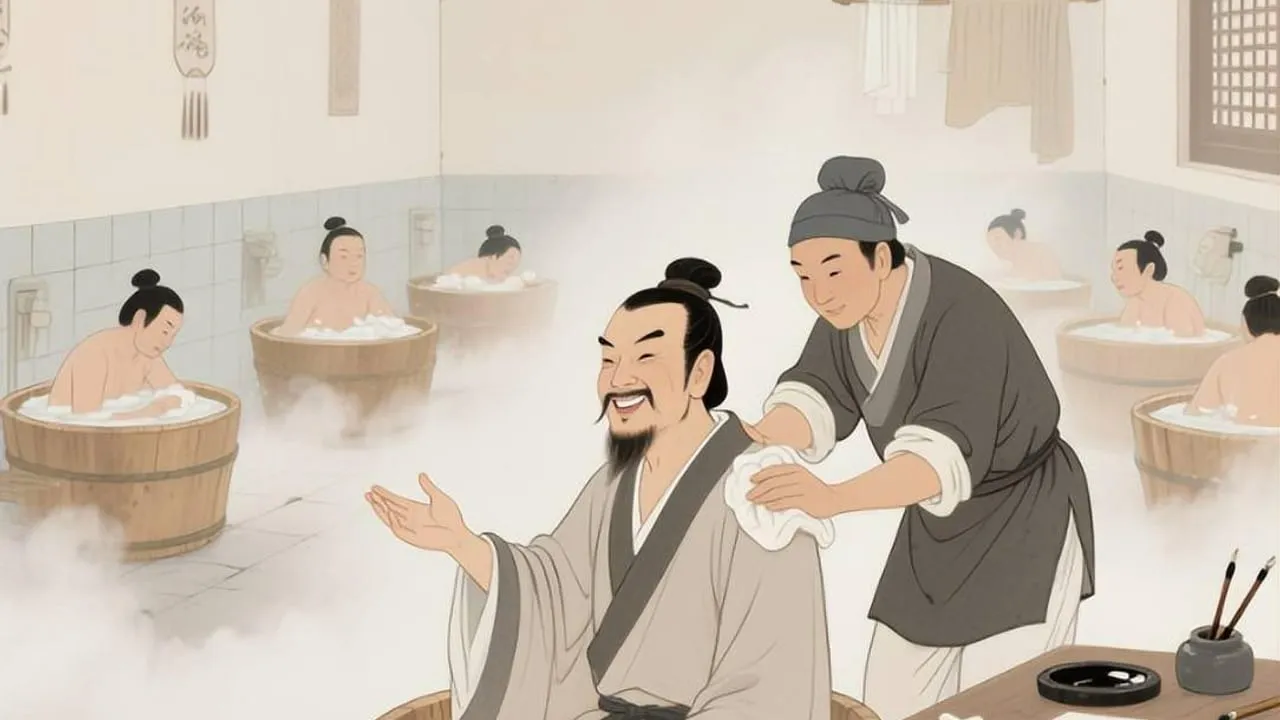
Why China has a scrubbing service
Scrubbing came out of state-run workplace baths in the north, spread as Hong Kong sauna culture arrived in the 1990s, and was regulated in 2010.
China · how everyday habits formed
Ancient-sounding habits, twentieth-century origins. Every piece traces one everyday habit in China back to the policy, product, or price that put it there — with dates, not folklore.
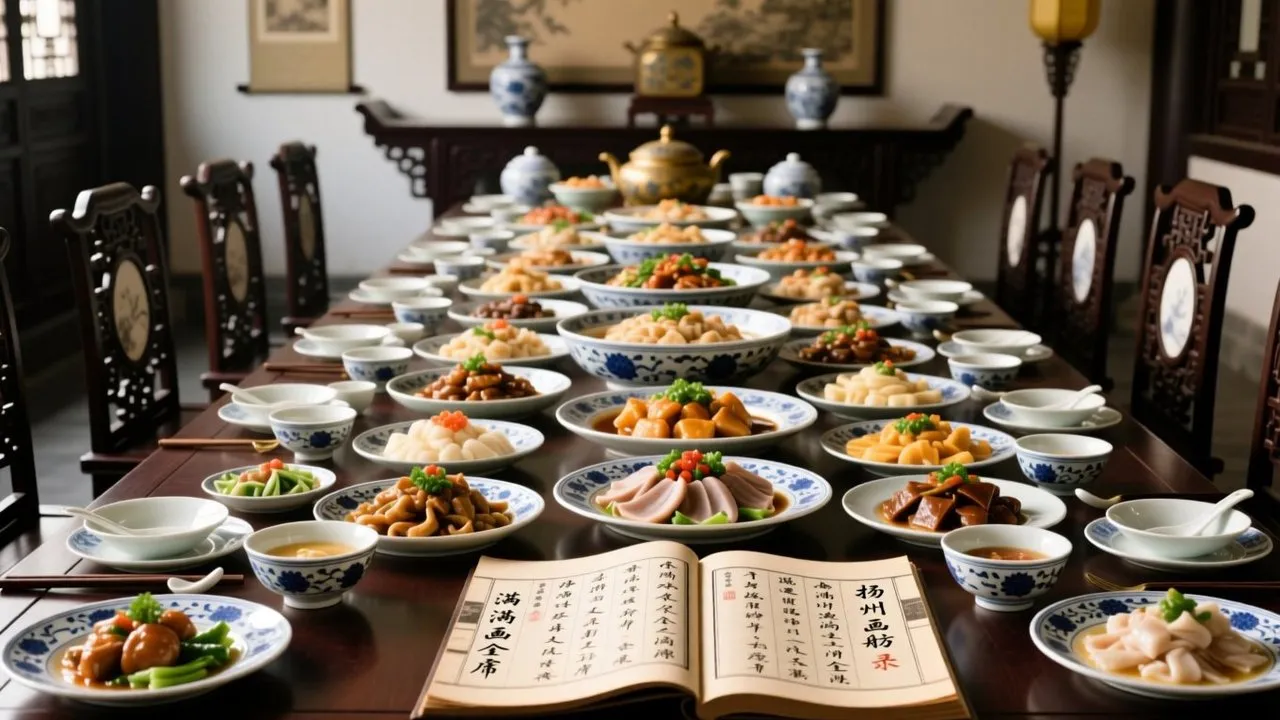 Food 中国味 Why meals are ordered, shared, and timed the way they are.
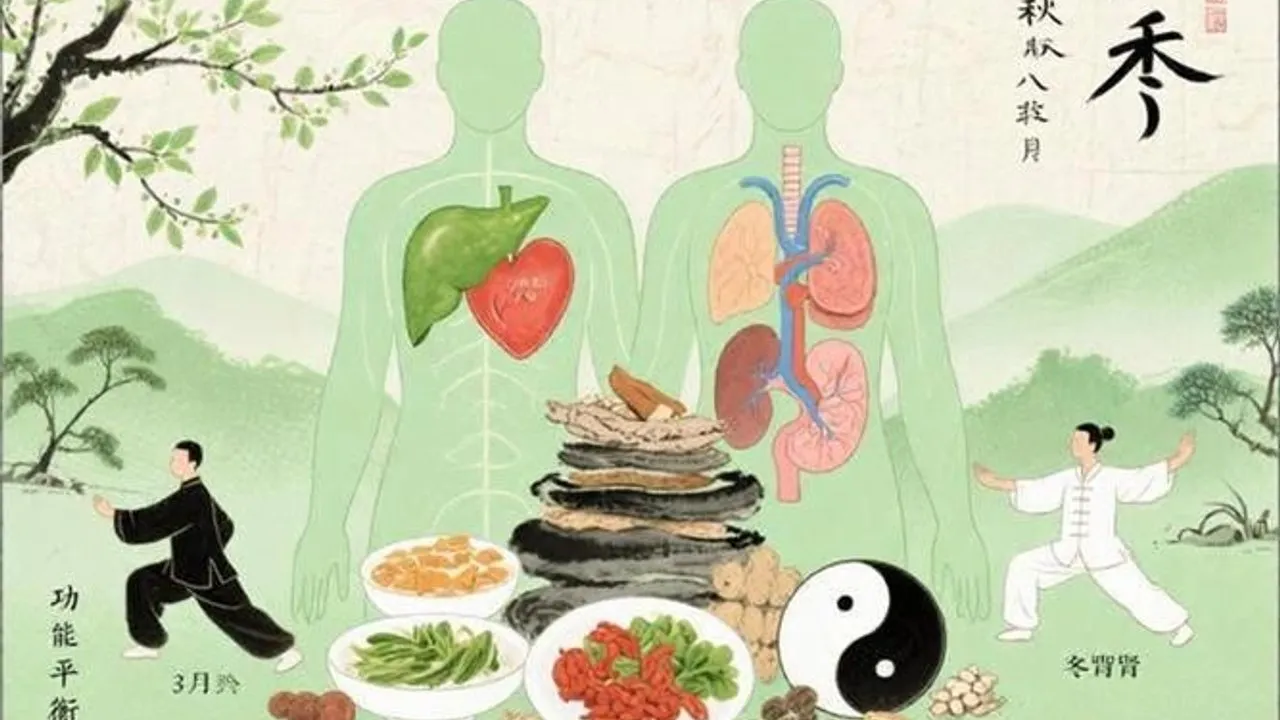 Wellness 养生 The everyday rules around the body, and how they started.
 Buys 好物 The everyday objects people actually keep, and why.
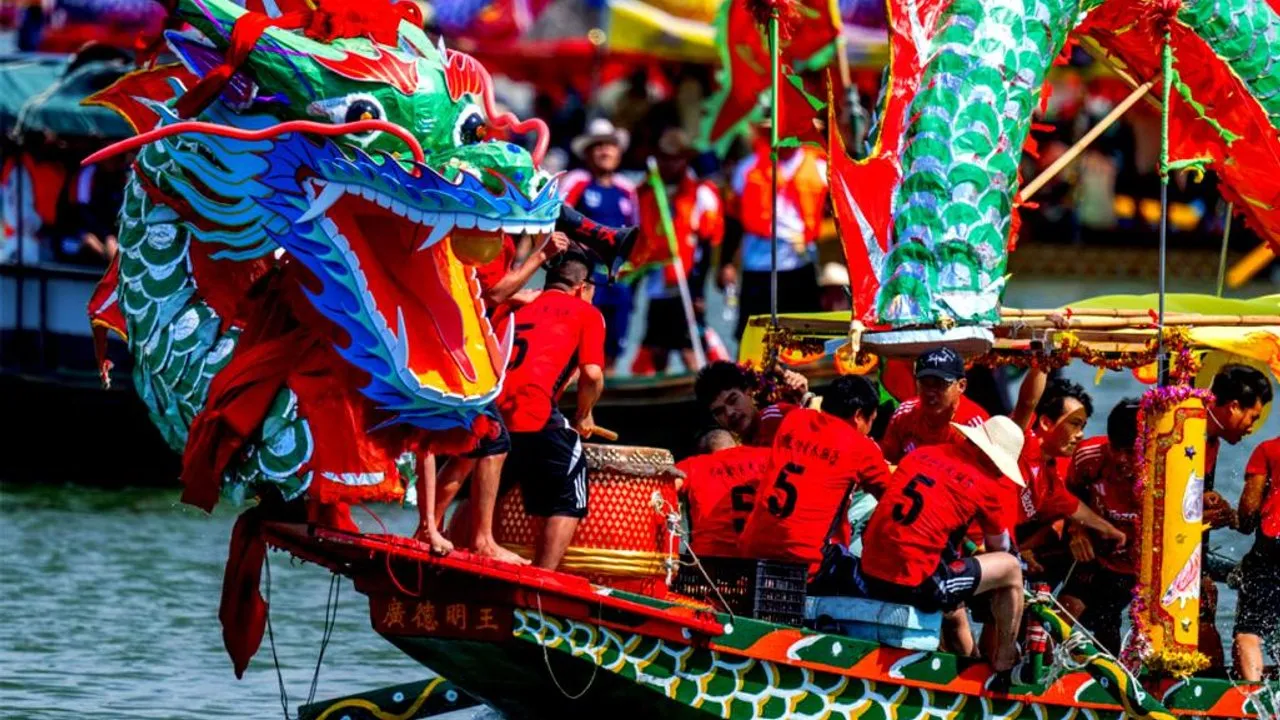 Culture 文化 Festivals, holidays, and the rules that come with them.
 CityLife 城市 Habits that formed recently — payment, delivery, group fitness.
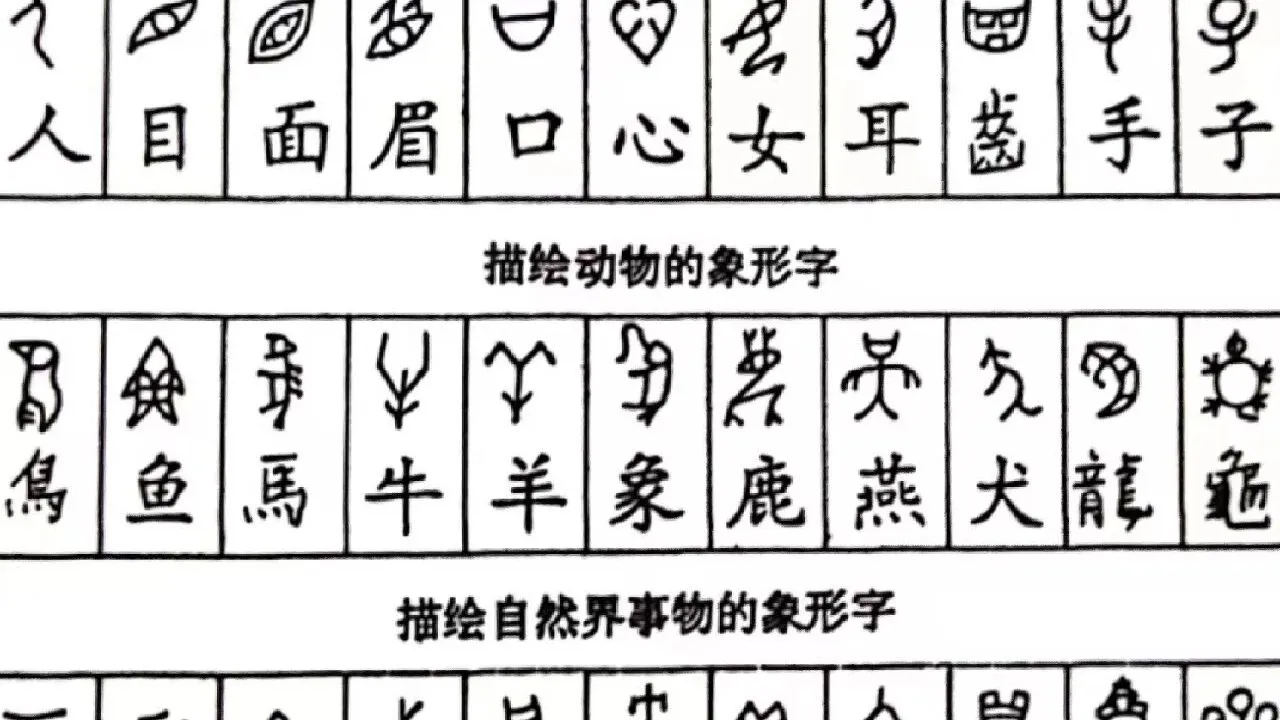 Language 语言 The phrases people actually say, and what they assume.
Most of what gets called ancient custom in China was set in the twentieth century. Here is the pattern behind it.
Read the explainer CityLife · 城市 Scrubbing came out of state-run workplace baths in the north, spread as Hong Kong sauna culture arrived in the 1990s, and was regulated in 2010.
 Buys · 好物
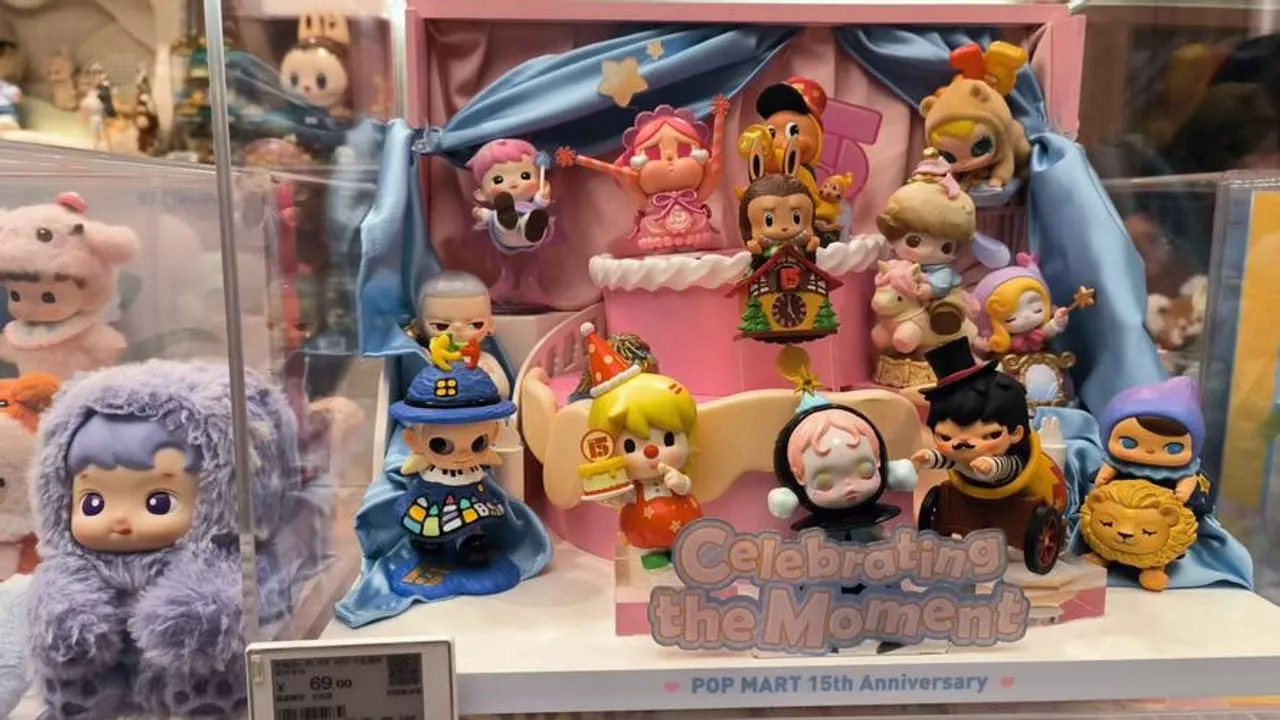
Pop Mart opened its first store in 2010. A licence in 2016, a monster in 2019 and a resale market turned a sealed box into a collecting habit.
 CityLife · 城市
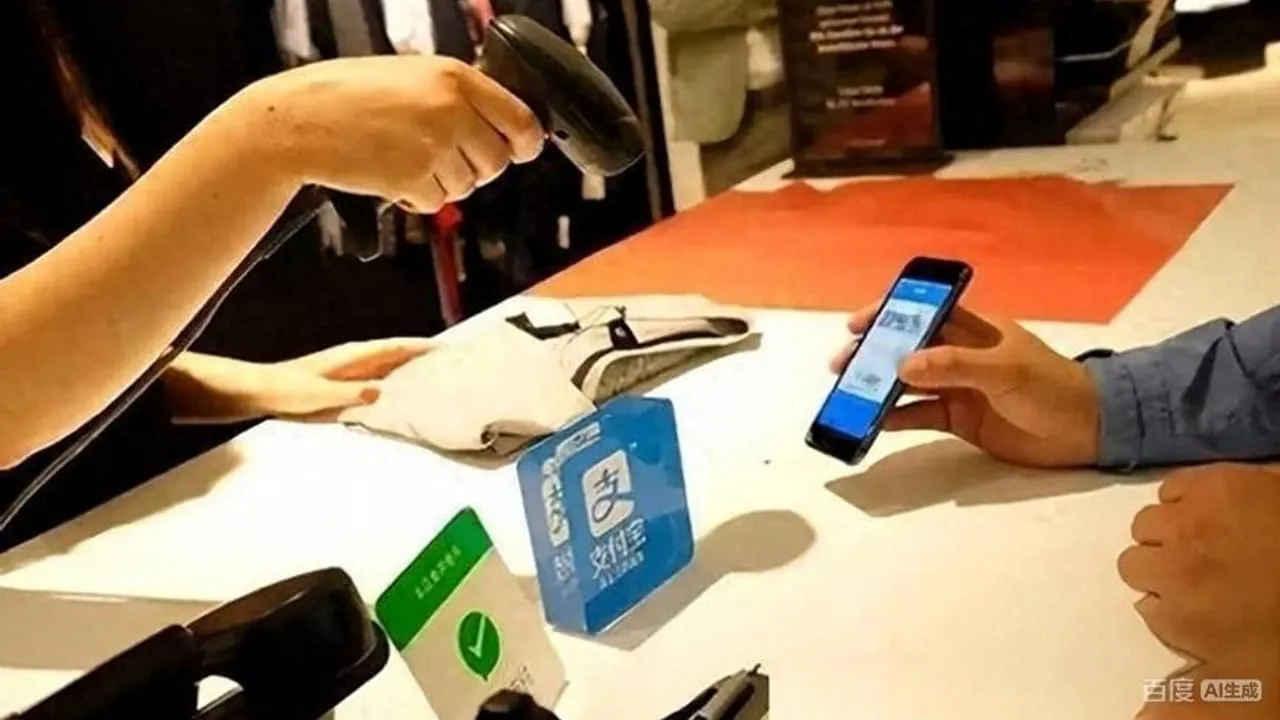
Linking an overseas card to a Chinese payment app once failed at verification. A July 2023 upgrade and a 2024 limit raise — $1,000 to $5,000 — made it work.
 CityLife · 城市
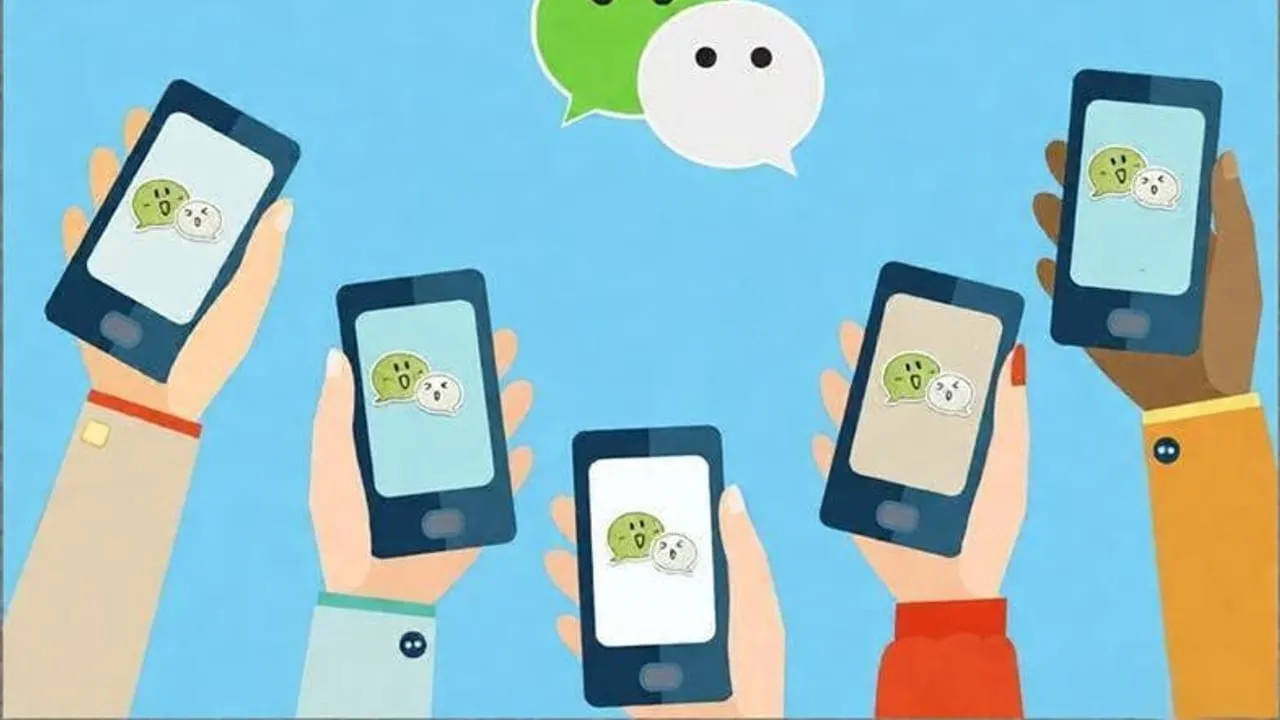
The app launched in 2011 as a messenger. Payment arrived in 2013 and mini programs in 2017; by 2024 it reported roughly 1.4 billion monthly users.
 CityLife · 城市
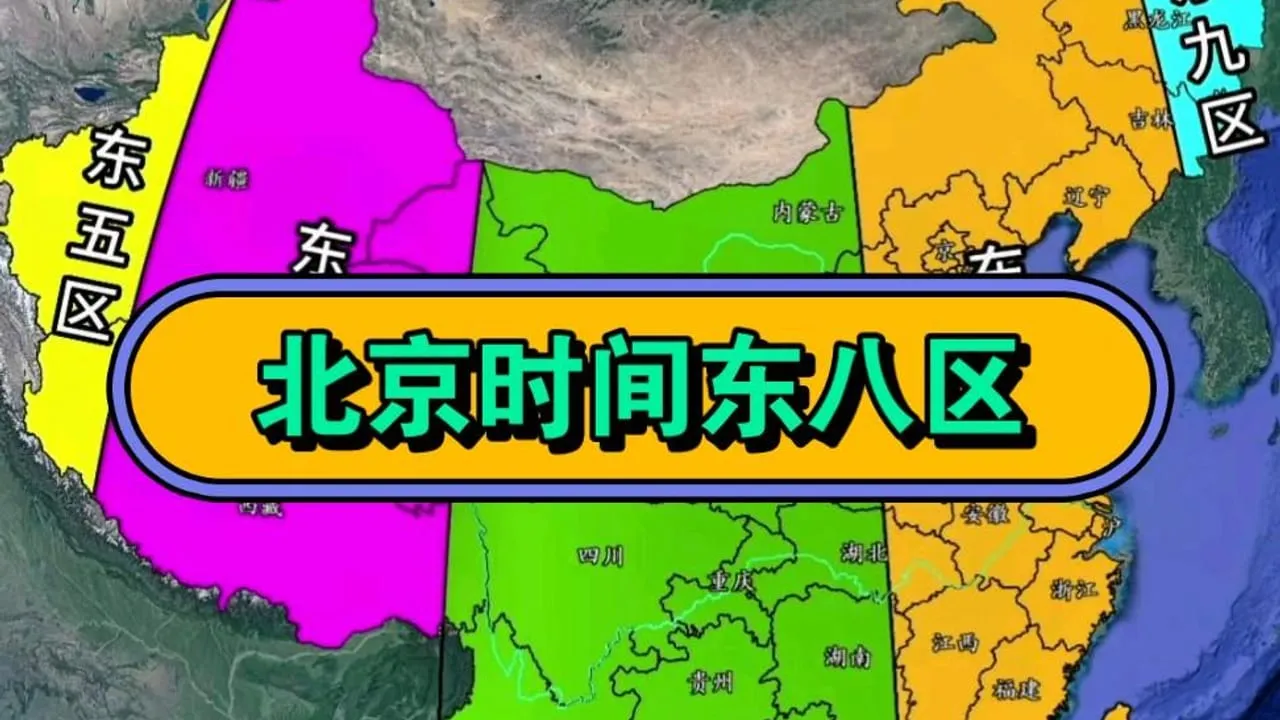
China spans five geographic hours and keeps one standard time, set on the 120th meridian since 1949. The far west keeps a second clock, two hours behind.
 Culture · 文化
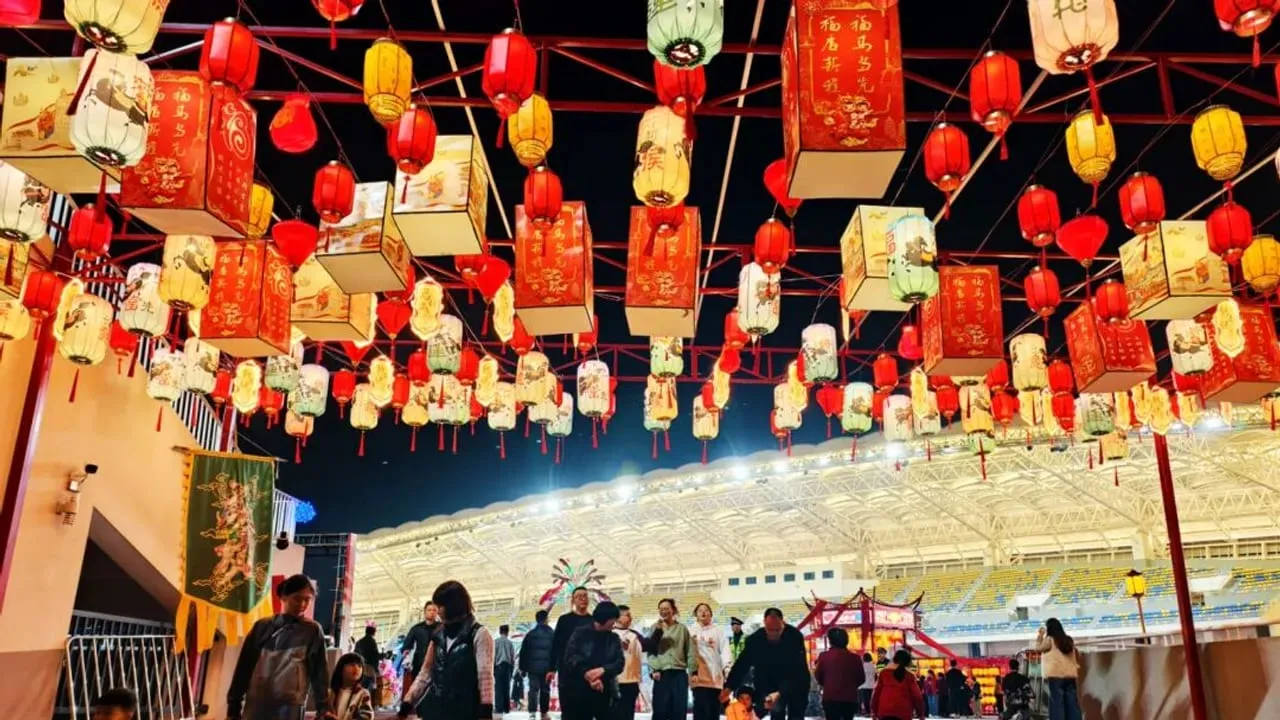
A 1999 revision created three seven-day blocks by moving weekends. A 2007 revision removed one and added three festivals, eleven statutory days in all.