CityLife · 城市
Why one country keeps one clock
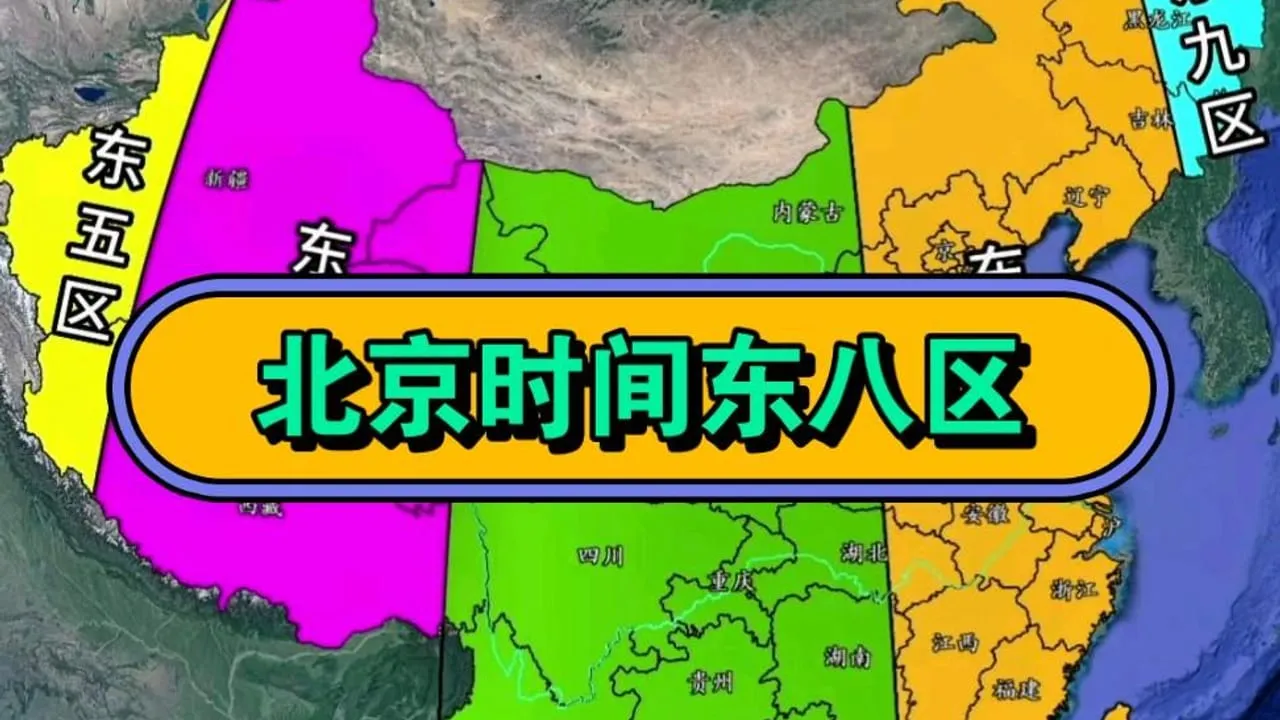
The country spans five geographic hours. Since 1949 it has kept one clock, and the far west keeps a second.
The short answer
- A plan came before a rule. In 1918 the Central Observatory proposed five standard time zones; in March 1939 a conference fixed the central-western zone as the single national standard for a period.
- The name dates from 1949. On 27 September 1949 the decision that renamed the capital also changed the central broadcaster’s call sign, and ‘Beijing time’ entered use, set on the 120th meridian.
- The signal is a technical service. A shortwave time-signal station began trial broadcasts in 1970, a long-wave station followed in 1986, and the country moved onto an atomic time system in 1979.
The full history, the documents behind it, and the practical reading are below.
A train leaves at a printed hour, a meeting is booked for the same figure in cities three hours of flight apart, and the phone shows one number from the station board to the shop till. A timetable only works if everyone reads the same clock. That is the arrangement here: one standard time across the whole country, set on the 120th meridian, even where the sun says otherwise. In the far west the same printed hour arrives with the sky still dark, so a second clock is kept alongside the first, two hours behind.
The usual explanation
Outside China, the single clock is usually filed as a matter of scale or of politics — a country that wide, run from the centre, keeping one time because it says so. The arrangement is real, but it was not one decree. It was assembled across the twentieth century, in a plan, a conference and a run of local switches, and the last region joined the standard years after the first.
A plan with five zones
The idea of dividing the country by meridian arrived from outside and was adopted in stages. In 1918 the Central Observatory proposed five standard time zones, running from a coastal zone on the 120th meridian to a western zone more than three hours behind. It was a plan on paper; away from the ports and the railways, most people still set the day by the sun. In March 1939 a standard-time conference revised the zones and fixed the central-western zone as the single national standard for a period. A single clock, in other words, was tried long before 1949, and it was a temporary measure rather than a settled rule. The zones were not an empty idea. The railways and the telegraph had already shown that a country of this width could not run on local time: a train that left on a printed hour needed every station along the line to agree on the same one. What the plan lacked was reach. Away from the ports and the lines, there was very little to synchronise.
The railways and the telegraph are what made the plan necessary, and the same network’s later history is told in why the train replaced the plane.
The name, and the switches
The standard most people live by today took its name in 1949. On 27 September 1949 the decision that renamed the capital also changed the call sign of the central broadcaster, and “Beijing time” entered use as the name for the standard, set on the 120th meridian. Local stations and local governments followed within months. Through late 1949 and early 1950, region after region declared that it would keep the new standard instead of its own local time; by early 1950 the practice covered the country apart from the far west, which was still on an older zone. The western regions were the last to change, and even then a second local clock stayed in use beside the national one. The name mattered as much as the number. The older label described a zone drawn from the five-zone plan; the new one described a place. Broadcasters around the country aligned their schedules to it within months, so a household could set a clock by the tone from the radio instead of by the sun outside.
A national standard named and fixed by a decision in the same decade is told in why Mandarin is called Putonghua.
Where the time is made
A single clock is a technical service as much as a rule, and that service has its own dates. A shortwave time-signal station began trial broadcasts in 1970, sending the standard out from a site in the interior; a long-wave station followed in 1986 to reach further. The country moved onto an atomic time system in 1979, and the signal is kept today by the National Time Service Center, which ties the national second to the international standard through a set of caesium clocks. A single standard across five hours of longitude cannot be kept by local observation: at the western edge, local noon sits more than two hours from the standard noon, so the standard has to be delivered by broadcast rather than read from the sky. All of this is why the far west can run two clocks at once: the standard arrives by signal, and the sun arrives by geography.
Standards published by an institution rather than inherited are the subject of how many Chinese characters are enough to read.
What it is not, and how to keep time here
This is not a claim about how the country should be organised, or about the wisdom of one clock; it is a description of how the standard was fixed, and when. It is not a claim that time is uniform in practice — the far west keeps a second, two hours behind, and its working day is set accordingly. And it is not a claim that the arrangement is fixed: the standard was raised from a broadcast signal to an atomic system within living memory.
What the one-clock story cannot explain is the second clock. If the single standard were purely administrative, the far west would simply obey it and nothing more would be needed. Instead a second local clock is kept beside it, and shops and offices out there open by it. That shows the single standard is a scheduling convention, not a fact about the sun.
For a visitor the useful habits are two. Set the phone to the standard and treat every printed hour — trains, flights, meetings — as that one, and expect the far west to run its own day two hours behind what the board says. The CityLife section covers routines fixed by rule, the standard itself is filed under time standard, the wider pattern is under habit origins, and another national standard that moved a date is told in why the New Year date moves every year.
Common questions
How many time zones does China have?
One, officially. The standard is set on the 120th meridian even though the country spans five geographic hours. The idea of dividing by meridian was proposed in 1918 as five zones, and a March 1939 conference fixed the central-western zone as the single national standard for a period.
Why does the far west of China use a different time?
Because the standard arrives by signal while the sun arrives by geography. At the western edge, local noon sits about 2 hours after standard noon, so a second local clock is kept 2 hours behind and shops and offices out there open by it. That is what shows the single standard is a scheduling convention rather than a fact about the sun.
What is Beijing time?
The name for the national standard, set on the 120th meridian. It took its name on 27 September 1949, when the decision that renamed the capital also changed the call sign of the central broadcaster. Through late 1949 and early 1950 region after region declared it would keep the new standard; the far west was the last to change.
Who keeps China’s official time?
The National Time Service Center, which ties the national second to the international standard through a set of caesium clocks. A shortwave time-signal station began trial broadcasts in 1970, a long-wave station followed in 1986 to reach further, and the country moved onto an atomic time system in 1979.
The documents behind this
- The 1918 five-zone proposal by the Central Observatory, running from a coastal zone on the 120th meridian to a western zone more than three hours behind.
- The March 1939 standard-time conference, which revised the zones and fixed the central-western zone as the single national standard for a period.
- The decision of 27 September 1949 that renamed the capital and changed the central broadcaster’s call sign.
- The National Time Service Center, which maintains the standard through a set of caesium clocks.
Where this goes next
The CityLife section covers routines fixed by rule; the standard itself is filed under time standard, the name under beijing time, and the practical side under china travel.
Another national standard that moved a date is told in why the New Year date moves every year; the network that made one clock necessary is in why the train replaced the plane; and the wider pattern is under habit origins.
Written and checked against published sources. See how we work
Keep reading
 CityLife · 城市
Why a foreign card now works on a Chinese phone
Linking an overseas card to a Chinese payment app once failed at verification. A July 2023 upgrade and a 2024 limit raise — $1,000 to $5,000 — made it work.
 CityLife · 城市
Why one app runs the whole day
The app launched in 2011 as a messenger. Payment arrived in 2013 and mini programs in 2017; by 2024 it reported roughly 1.4 billion monthly users.
 CityLife · 城市
Why the train replaced the plane
A line 120 kilometres long opened in 2008. In 2011 the operating ceiling was cut to 300 km/h; in 2017 the Fuxing restored the 350 km/h design speed.