CityLife · 城市
Why one app runs the whole day
A messaging app added payment in 2013 and mini programs in 2017. The day was assembled one release at a time.
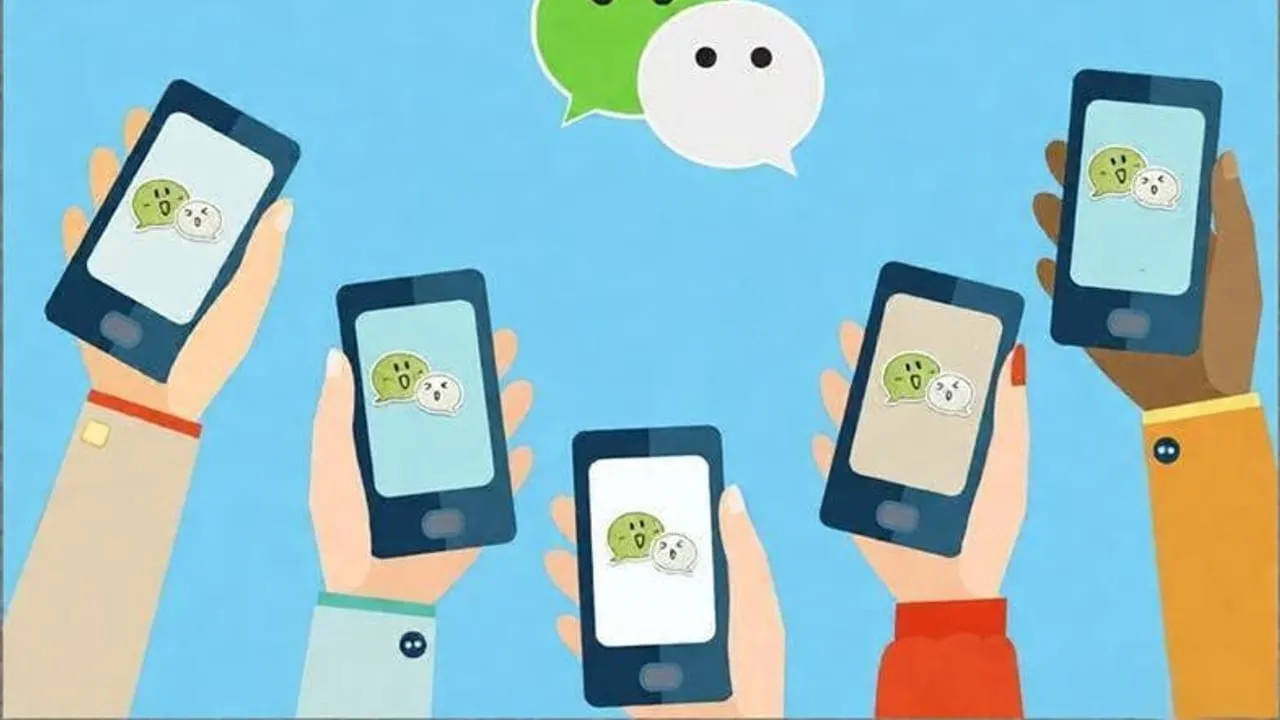
The short answer
- It started as a messenger. The app went online in January 2011; the turn came in August 2013, when version 5.0 added payment inside an app people already had open.
- Services arrived four years later. On 9 January 2017 version 6.5.3 released mini programs — small applications that open from a scan or a search without being installed.
- The rulebook came last. Offline barcode payment ran for more than two years without formal standing until 3 August 2016, when a draft standard covering code expiry, limits and verification was circulated.
The full history, the documents behind it, and the practical reading are below.
A phone is unlocked on a station platform, and the same icon is opened again and again. It shows a code that opens a gate, then a message from a group, then a payment for a coffee, then a queue number for a table. By evening the icon has been opened for a bicycle, a bill and a call to family. None of these is a separate product with its own password; each one runs inside the chat app that is already open. The phone holds other apps, and they are used. But the errands of the day, one after another, go through one of them.
The usual explanation
Outside China, this is usually filed as a “super app”, a category borrowed from elsewhere, or as an instrument of control with the state somewhere behind the screen. The record is narrower and later than either. The app was built to send messages. Payment, and then small services, were added years afterwards, one release at a time, and the rulebook arrived after the product.
A messenger, and a payment button
The app went online in January 2011 as a messaging product from Tencent, built by a small internal team in the same months that a dozen rivals were launched. For its first two years it was a chat tool with photos and then voice; the social feed arrived in 2012. The turn came in August 2013, when version 5.0 added payment. A payment button inside an app people already opened dozens of times a day removed the last piece of friction: there was nothing new to download and nothing new to log into. What spread it fastest was smaller than the feature itself. In January 2014 the app added the red envelope, a way to send money to a contact as a gift, and the following weeks pushed millions of users to link a bank card for the first time. The early advantage was not the feature but the address book. The product was built by a company that already ran the country’s dominant messaging list, so a new user arrived with contacts in place. That is why the payment button, when it came, landed inside an app that was already open rather than inside a new one.
The rival that added the same capability two years earlier, and the merchant arithmetic that spread both, are told in why cash stopped being the default.
Services that live inside
Once a payment method sits inside a chat app, every service becomes reachable from it, and the next step was to let those services run there. On 9 January 2017, with version 6.5.3, the app released mini programs: small applications that open inside the chat app, from a scan or a search, without being installed. A restaurant menu, a transit pass, a utility bill, a booking — each could be a mini program rather than a separate download. That is the part that made the app cover a day rather than a transaction. The payment gave it a wallet; the mini program gave it a counter, a timetable and a waiting list. Neither step was a single decision. Payment in 2013, mini programs in 2017, and four years between them. The entry points were deliberately plain — a scanned code, a search box, or a share from a friend. There was no store to browse and no icon on the home screen, which is exactly how a service could be added to a day without being added to a phone.
One of those mini programs is a restaurant menu, which is how a code on the table came to take the order — see why you order by scanning the table.
The scale, and the rulebook
By 2024 the app reported roughly 1.4 billion monthly users. A service that reaches that group does not need to be installed to be used, so the payment layer needed rules it did not have at the start. Offline barcode payment ran for more than two years without formal standing until 3 August 2016, when the Payment & Clearing Association circulated a draft standard for barcode payment covering code expiry, transaction limits and verification, and the method was recognised officially for the first time. The product came first and the rulebook came second, which is the reverse of how the category is usually described. That order has a cost the user rarely sees. Because a payment method was added to a chat app and then used for everything, the technical limits around it had to be written afterwards, by a standards body, rather than designed in from the start.
The other side of the same story is a card that could not be attached to the app at all until 2023, told in why a foreign card now works on a Chinese phone.
What it is not, and how to read the screen
This is not a claim that the format was invented here; the idea of one app holding many services was tried elsewhere. It is not a claim about everyone: the app is near-universal among adults, but a phone number is still needed to open it, and several of the most-used functions on the same handset — the camera, the map, the long video that fills an evening — stay outside it. And it is not a claim that one release explains the habit. The payment button and the mini program sit four years apart.
What the release dates cannot explain is the part of the day that never moved inside. If the app held everything, the phone would need nothing else. It does. What the app owns is a specific slice: identity, payment, and the small services that depend on a payment. That slice is most of the errands and very little of the entertainment.
For a visitor the practical answer is short. The app is the default front door, not the only one, and setting it up before arrival removes most of the small frictions of a day; using it at a counter needs no reading, because the actions are a scan and a tap. The CityLife section covers the routines that formed this recently, the platform itself is filed under platform economy, the wider pattern is under habit origins, the payment half is told in why cash stopped being the default, and the card that goes into it is explained in why a foreign card now works on a Chinese phone.
Why it is being copied now (2026)
The single app is the part of the 2026 Chinamaxxing trend that Western viewers recognise before they can name it: one icon for a gate, a coffee, a queue number and a bill. The trend — China plus the online suffix -maxxing — had carried hashtags including #Chinamaxxing and #BecomingChinese past four billion cumulative views by mid-2026, and the #ChinaTravel tag past 28 billion plays.
The arrivals behind that attention are counted. China received 22.9 million inbound foreign visitors in the first half of 2026, up 20.4 per cent, and 77.7 per cent of them entered visa-free. Setting the app up before arrival is the one preparation most of them are advised to do.
The habit being copied is three releases old, not three dynasties: payment in 2013, mini programs in 2017, and a rulebook written after both.
Common questions
What is WeChat used for in China?
Most of the errands in a day. The app went online in January 2011 as a messenger, added payment in August 2013 with version 5.0, and released mini programs on 9 January 2017 with version 6.5.3 — small applications that open from a scan or a search without being installed. By 2024 it reported roughly 1.4 billion monthly users.
Is WeChat the only app I need in China?
It is the default front door, not the only one. What the app owns is a specific slice: identity, payment, and the small services that depend on a payment, and by 2024 it reported about 1.4 billion monthly users. Several of the most-used functions on the same handset — the camera, the map, the long video that fills an evening — stay outside it.
Do I need a Chinese phone number for WeChat Pay?
A phone number is needed to open the app at all. The payment side was the harder half for visitors, and it changed in July 2023, when overseas cards became linkable directly; the 2024 raise then took the single-payment limit from $1,000 to $5,000.
Why did payment regulation in China come after the products?
Because the payment button and the mini program were shipped first. Offline barcode payment ran for more than two years without formal standing until 3 August 2016, when the Payment & Clearing Association circulated a draft standard covering code expiry, transaction limits and verification — the reverse of how the category is usually described.
The documents behind this
- WeChat version 5.0, August 2013 — the release that put payment inside an existing chat app.
- WeChat version 6.5.3, 9 January 2017 — the release that introduced mini programs.
- The barcode payment draft standard of 3 August 2016, from the Payment & Clearing Association.
- The July 2023 app upgrades that first allowed overseas cards to be linked directly.
Where this goes next
The CityLife section covers the routines that formed this recently; the platform itself is filed under platform economy, the payment layer under mobile payment, and the trend it now travels on under chinamaxxing.
The payment half is told in why cash stopped being the default; the card that goes into it is explained in why a foreign card now works on a Chinese phone; one of its mini programs is the table code in why you order by scanning the table; the journey it sells tickets for is in why the train replaced the plane; and the wider pattern is under habit origins.
Written and checked against published sources. See how we work
Keep reading
 Food · 中国味
Why you order by scanning the table
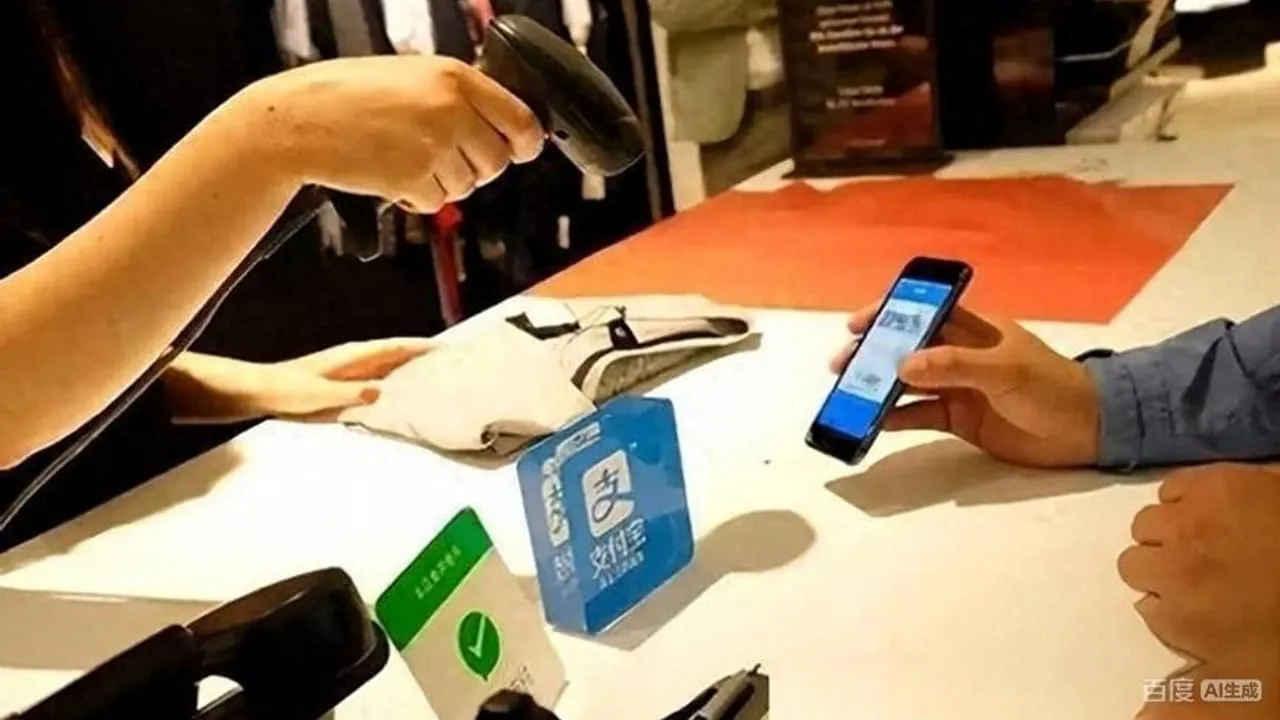
A code on the table opens the menu and takes the payment. The mechanism arrived with QR payment in 2011, reached the table by 2017 and settled in 2020.
 CityLife · 城市
Why a foreign card now works on a Chinese phone
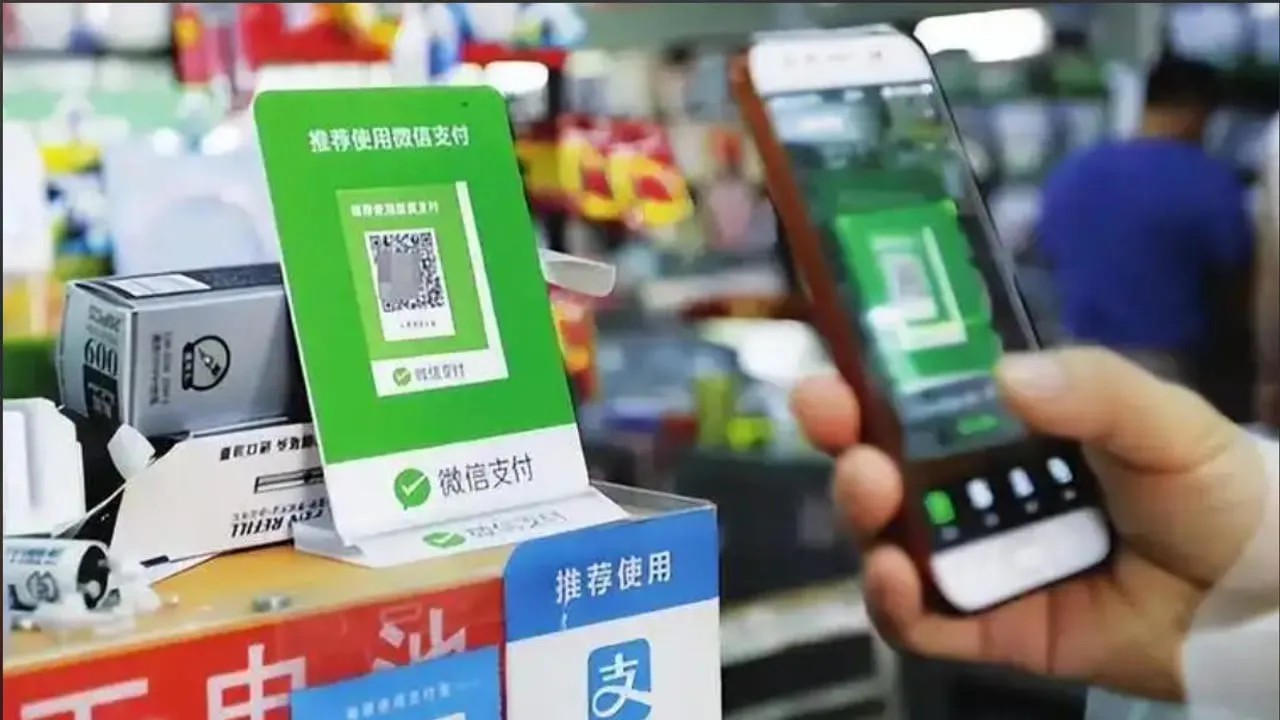
Linking an overseas card to a Chinese payment app once failed at verification. A July 2023 upgrade and a 2024 limit raise — $1,000 to $5,000 — made it work.
 CityLife · 城市
Why cash stopped being the default in China
QR payment became China's default between 2011 and 2013, built on a free 1994 patent, then halted by the central bank before formal recognition in 2016.