CityLife · 城市
Why the train replaced the plane
A line 120 kilometres long opened in 2008. In 2011 its ceiling was lowered; in 2017 the design speed came back.
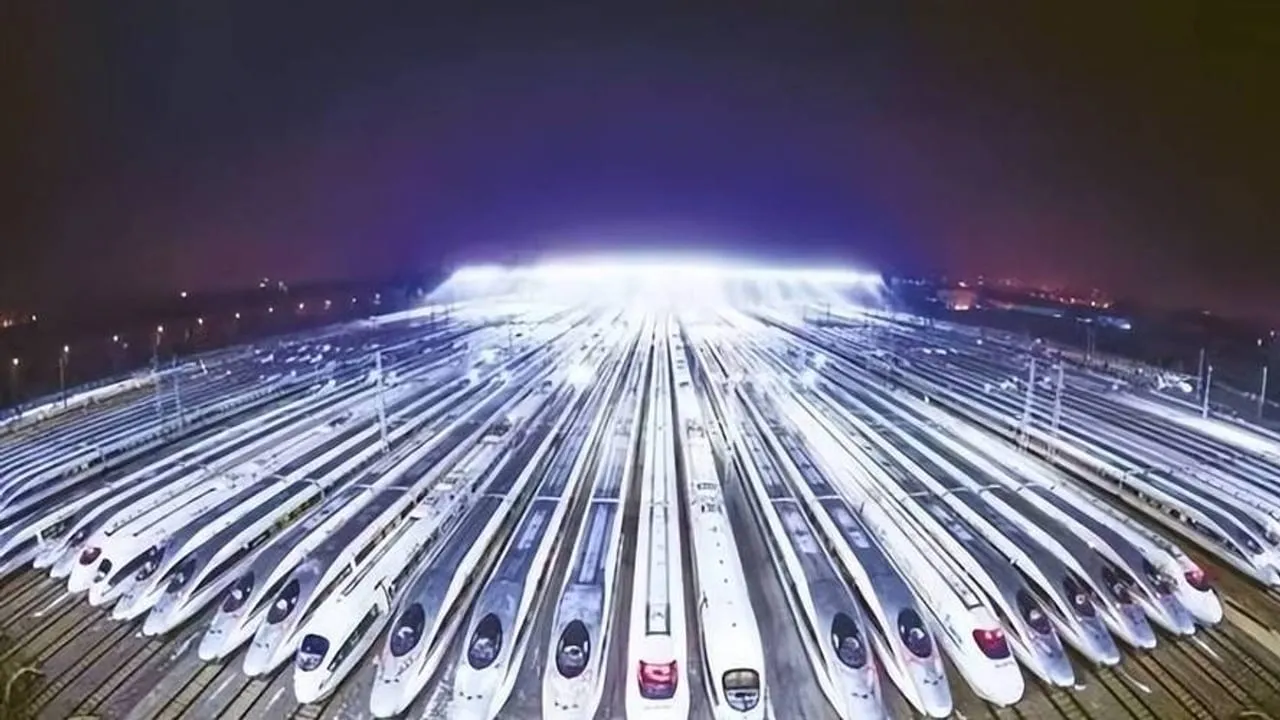
The short answer
- Design speed was the decision that mattered. The Beijing–Tianjin intercity railway opened on 1 August 2008 as the country’s first line built for 350 km/h, over 120 kilometres.
- The speed was policy, not engineering. In July 2011 a timetable revision set the operating ceiling at 300 km/h on lines designed for 350, and nothing about the track was rebuilt.
- It came back on 21 September 2017, when the Fuxing began commercial operation at 350 km/h. By the end of 2024 the network had reached 48,000 kilometres, over 70% of the world’s total.
The full history, the documents behind it, and the practical reading are below.
On a station board, departures leave every few minutes for a city half an hour away. Passengers arrive a few minutes before the train; there is no check-in desk and no baggage belt, and the platform is one escalator down from the street. The same trip by air would need an airport an hour or more outside town and a wait at either end. For this distance the train is not the slower choice. It is the choice that ends earlier.
The usual explanation
Outside China, high-speed rail here is usually filed as a feat of engineering, or as a project a state chose to build, and both are half true. The record is more specific and more uneven. The first line opened on a summer date in 2008. Three years later the operating speed was cut below the design speed. Six years after that it was raised back. The trains that run at the design speed are younger than the track they run on.
The first line, and its design speed
The Beijing-Tianjin intercity railway opened on 1 August 2008, ahead of the Olympics, as the country’s first line built for 350 kilometres per hour over a distance of 120 kilometres. The two stations at its ends were rebuilt to take it, and the journey between them fell to around half an hour. The number that mattered was not the top speed on opening day but the design figure written into the track: 350. Other lines followed within a year and were built to the same standard, and the network passed 25,000 kilometres inside a decade. The decision to build to 350, rather than to a slower figure, is what made everything after it possible. It was a choice about the future rather than about the opening day. A track laid for a lower speed cannot later be run faster without rebuilding it, so the design figure locked in the possibility of the speed that arrived a decade afterwards.
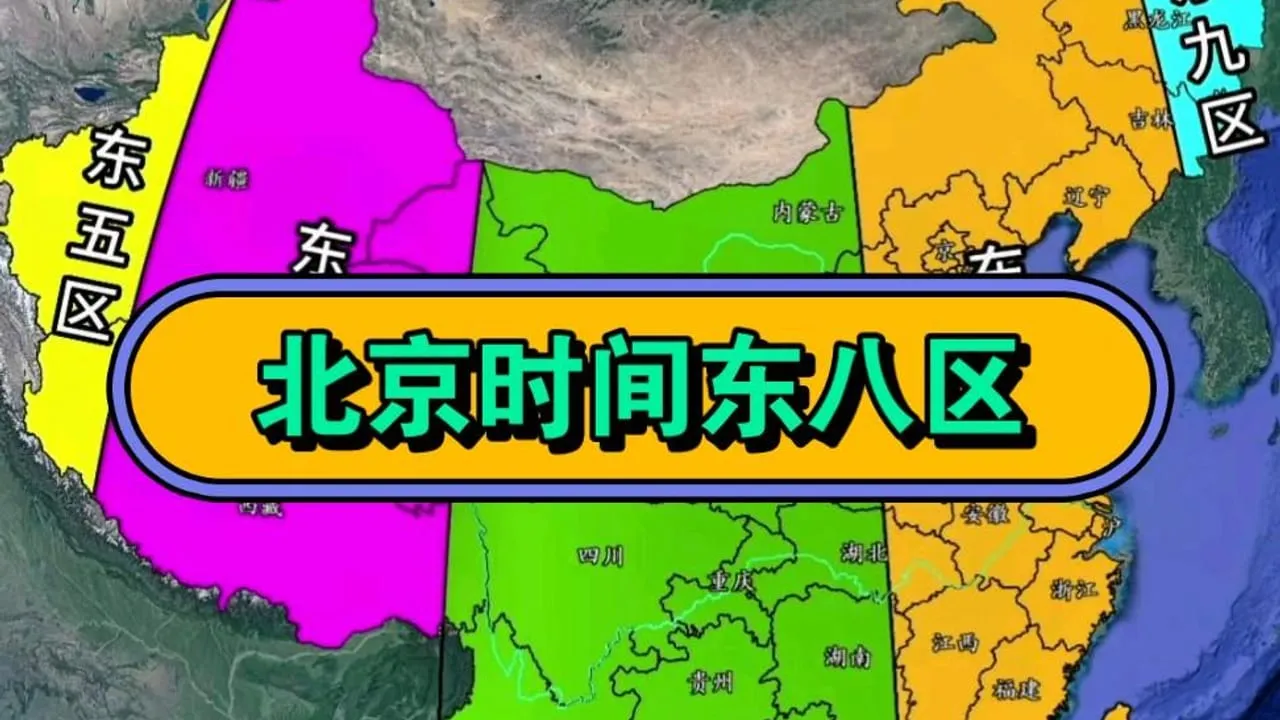
A timetable only works if every station reads the same clock, which is why the national standard is told in why one country keeps one clock.
The ceiling comes down
In July 2011 the railway ran a national timetable revision and set the operating ceiling at 300 kilometres per hour on lines designed for 350. The design speed did not change; the speed the trains were allowed to use did. The decision held for six years, and through it the fleet ran below the track’s limit almost everywhere. The train still left on time. On short routes the timetable barely moved, because the time lost was a few minutes against a journey already measured in minutes. The change mattered most to the builders: it set the speed the next generation of rolling stock would have to reach when the ceiling lifted. It was a scheduling decision, and it was reversible by scheduling too. Nothing about the track was rebuilt in 2011. The same rails that had taken 350 were simply run at 300, and the timetable was redrawn around the lower figure, which is why raising it later cost no new construction.
Another place a Chinese system set capacity by rule rather than by demand is told in why the museum is free and still booked out.
Raising it back
The return came from a new train. On 26 June 2017 two of a new standardised model, the Fuxing, ran their first passenger services at both ends of the busiest line, and on 21 September 2017 they began commercial operation at 350 kilometres per hour — the design figure, at last. The new sets were built to a single national standard rather than a set of foreign licences, with 84 percent of their 254 key component standards domestic, and their monitoring points outnumbered the earlier fleet’s by several hundred. By the end of 2024 the high-speed network had reached 48,000 kilometres, more than 70 percent of the world’s total, and the Fuxing had been extended to every provincial-level region. The new model was also cheaper to run per seat and simpler to maintain as a fleet, because a single domestic standard had replaced several imported ones. A network built to one design can be extended, re-signalled and upgraded as a whole, which is what let the operating speed be set once, centrally, for every line built to it. Speed, in the end, was a number that could be raised and lowered by decision, and the rails were what decided how far it could go.
The single national standard the Fuxing was built to is the same move other Chinese standards made — a published rule replacing a set of imported arrangements, as in how many Chinese characters are enough to read.
What it is not, and how to choose the train
This is not a claim that trains replaced planes everywhere. For long routes the plane still wins, and many city pairs have no high-speed line at all; the train’s advantage is a band of medium distances, where the airport is far and the station is central. It is not a claim that the speed is constant — the ceiling moved twice inside a decade, down once and up once, on the same tracks.
What the engineering story cannot explain is the timetable. A faster train does not by itself empty a station of its seating and its queues. The line works as a substitute for flying mainly because it runs often enough to be treated as a metro: on the first intercity route the daily services rose from 47 pairs to more than 120, and the shortest gap between departures fell from 15 minutes to about three. Speed set the ceiling; frequency is what replaced the flight.
The practical advice is short. On a route of a few hundred kilometres, look at the train before the plane, and count the total door-to-door time rather than the time in the air. The CityLife section covers the routines built on this recently, the railways are filed under rail transport, the wider pattern is under habit origins, and the single clock the timetable runs on is told in why one country keeps one clock.
Why it is being copied now (2026)
High-speed rail is the part of the trend that has to be booked. Among the behaviours that circulate under the 2026 Chinamaxxing label, the train is the one a visitor buys rather than adopts: a service at 350 km/h, a station in the middle of town, and a boarding process measured in minutes rather than hours. Hashtags including #Chinamaxxing and #BecomingChinese had passed four billion cumulative views by mid-2026, and #ChinaTravel had passed 28 billion plays.
The arrivals behind that attention are counted. China received 22.9 million inbound foreign visitors in the first half of 2026, up 20.4 per cent on a year earlier, and 77.7 per cent of them entered visa-free, which put a large group on the platform for the first time.
What is being copied is not an old way of travelling. It is a network that went from its first 120-kilometre line in 2008 to 48,000 kilometres by the end of 2024, on a design speed that was decided in 2008, cut on 1 July 2011 and restored on 21 September 2017.
Common questions
How fast do Chinese high-speed trains go?
Up to 350 kilometres per hour on lines built to that design speed, which began commercial operation on 21 September 2017 with the Fuxing. Between July 2011 and that date the operating ceiling was 300 km/h on the same tracks — the design speed never changed, only the speed the trains were allowed to use.
Is the train better than flying in China?
On a route of a few hundred kilometres, usually — count the total door-to-door time rather than the time in the air. The train’s advantage is a band of medium distances, where the airport is far and the station is central: on the 120-kilometre Beijing–Tianjin line the trip takes about half an hour. For long routes the plane still wins, and many city pairs have no high-speed line at all.
Why does Chinese high-speed rail work as a substitute for flying?
Frequency, not just speed. On the first intercity route daily services rose from 47 pairs to more than 120, and the shortest gap between departures fell from 15 minutes to about three. A faster train does not by itself empty a station of its seating and its queues.
How large is China’s high-speed rail network?
By the end of 2024 it had reached 48,000 kilometres, more than 70 per cent of the world’s total, and the Fuxing had been extended to every provincial-level region. The first line opened on 1 August 2008, and the network passed 25,000 kilometres inside a decade.
The documents behind this
- The Beijing–Tianjin intercity railway, opened 1 August 2008 — the first line built for 350 km/h, over 120 kilometres.
- The July 2011 national timetable revision, which set the operating ceiling at 300 km/h on lines designed for 350.
- The Fuxing’s first 350 km/h commercial services, 21 September 2017, with 84 per cent of its 254 key component standards domestic.
- The end-2024 network figure — 48,000 kilometres of high-speed line.
Where this goes next
The CityLife section covers the routines built on this recently; the railways are filed under rail transport, the practical side under china travel, and the wider pattern under habit origins.
The single clock the timetable runs on is told in why one country keeps one clock; a network that decides capacity by rule is in why the museum is free and still booked out; and the payment system that runs alongside it is explained in why one app runs the whole day.
Written and checked against published sources. See how we work
Keep reading
 CityLife · 城市
Why a foreign card now works on a Chinese phone
Linking an overseas card to a Chinese payment app once failed at verification. A July 2023 upgrade and a 2024 limit raise — $1,000 to $5,000 — made it work.
 CityLife · 城市
Why one app runs the whole day
The app launched in 2011 as a messenger. Payment arrived in 2013 and mini programs in 2017; by 2024 it reported roughly 1.4 billion monthly users.
 CityLife · 城市
Why one country keeps one clock
China spans five geographic hours and keeps one standard time, set on the 120th meridian since 1949. The far west keeps a second clock, two hours behind.