 Food · 中国味
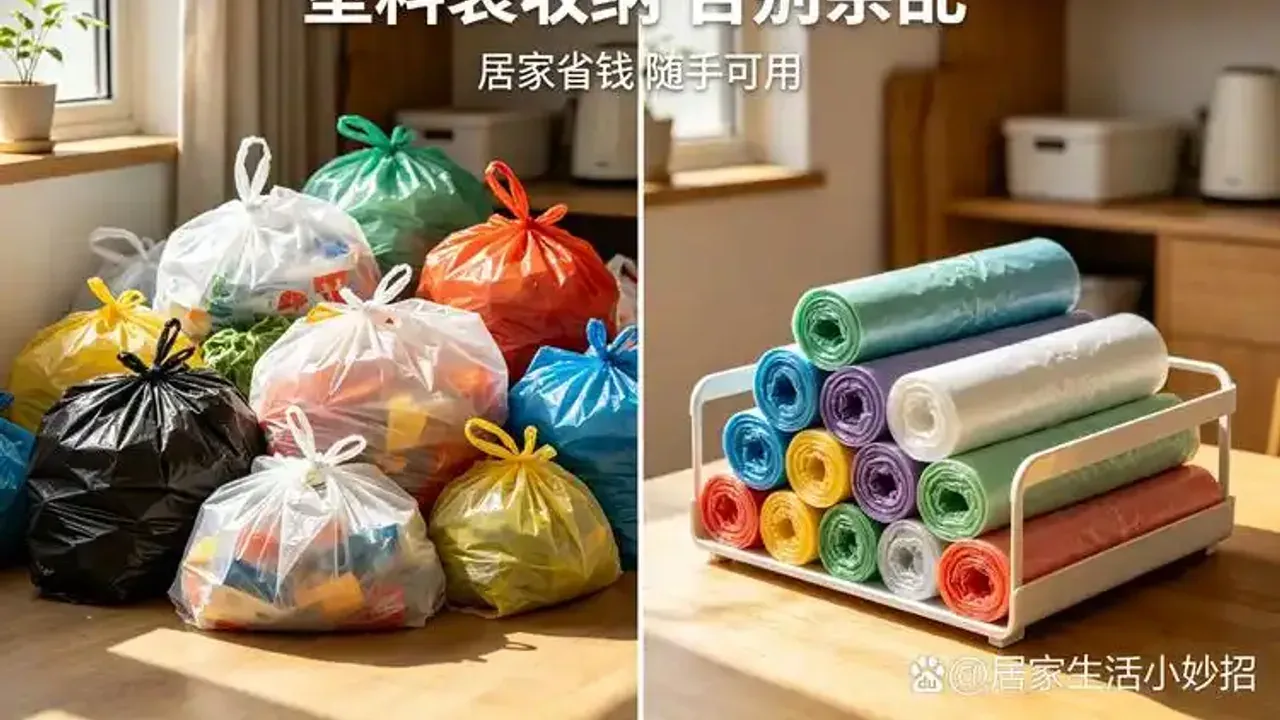
Why Chinese households keep every plastic bag
China banned ultra-thin plastic bags in 2007 and priced the rest from June 2008. Reported retail bag use fell by two thirds, and households still keep them.
Tag
Food · 中国味 China banned ultra-thin plastic bags in 2007 and priced the rest from June 2008. Reported retail bag use fell by two thirds, and households still keep them.
 Food · 中国味
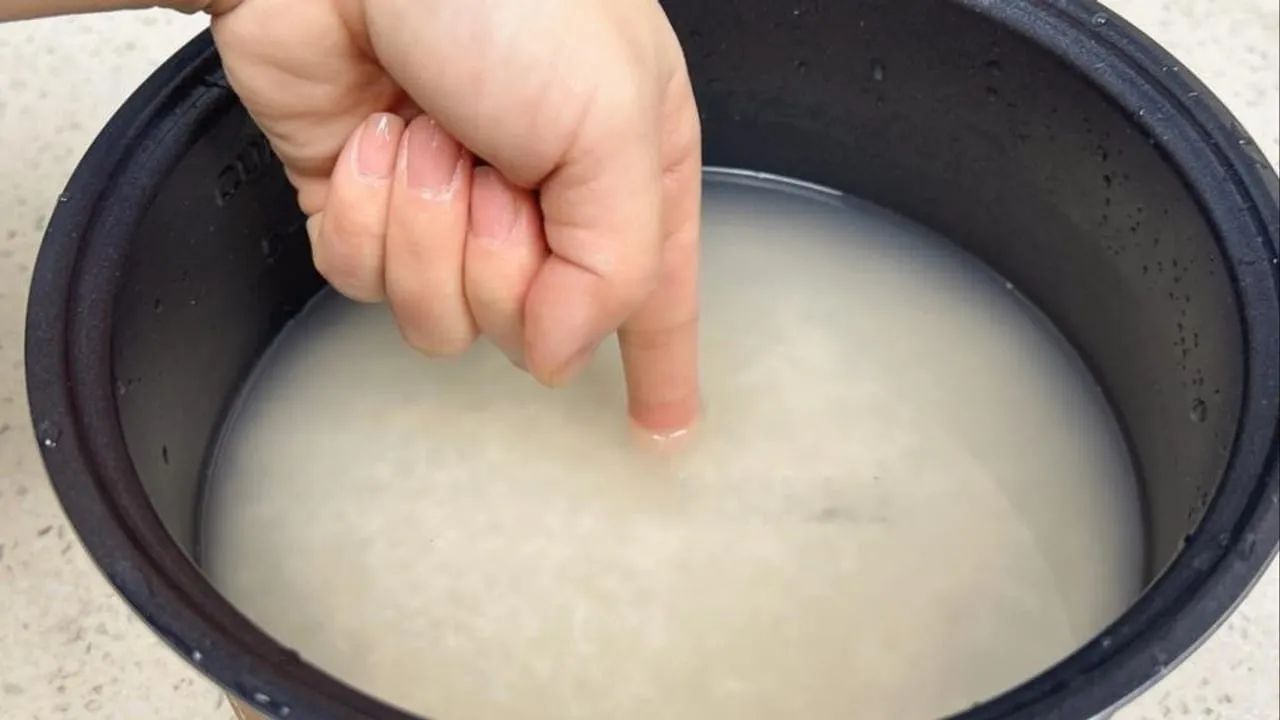
Measuring rice water with a finger worked because early rice cookers had no water line. Marks arrived with mass production, and the habit stayed as a fallback.
 Language · 语言
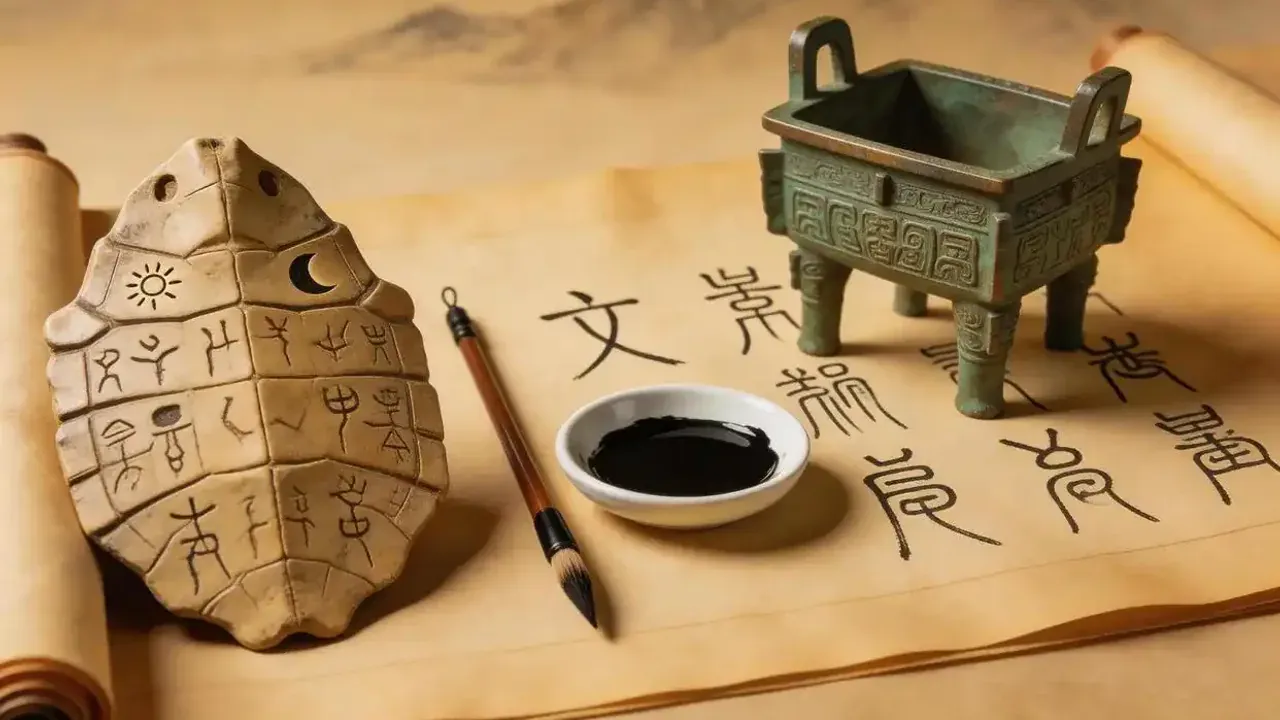
Chinese characters were simplified in 1956 to cut stroke counts, as literacy campaigns pushed reading. In 2013 a programme began adding old forms back to signs.
 Wellness · 养生
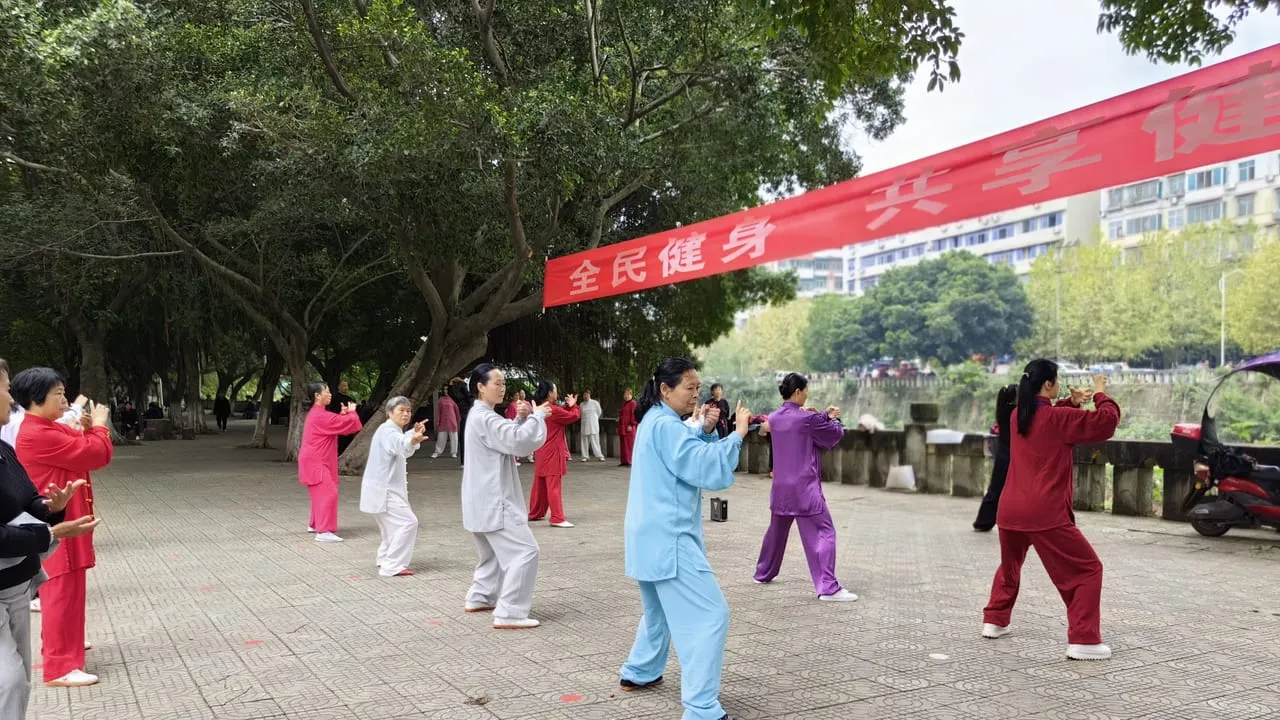
Baduanjin was revised in 2001 and promoted nationwide from 2003 as one of four health-qigong forms, after fitness qigong became the 97th national sport.
 CityLife · 城市
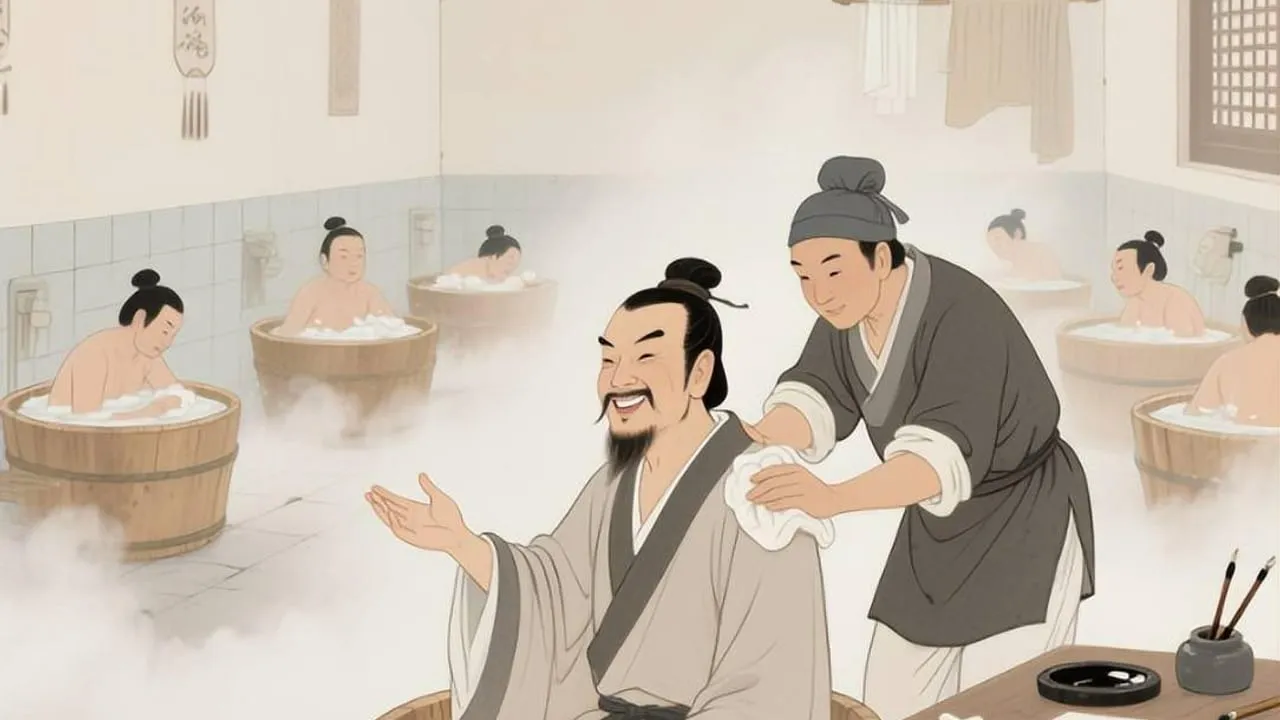
Scrubbing came out of state-run workplace baths in the north, spread as Hong Kong sauna culture arrived in the 1990s, and was regulated in 2010.
 Buys · 好物
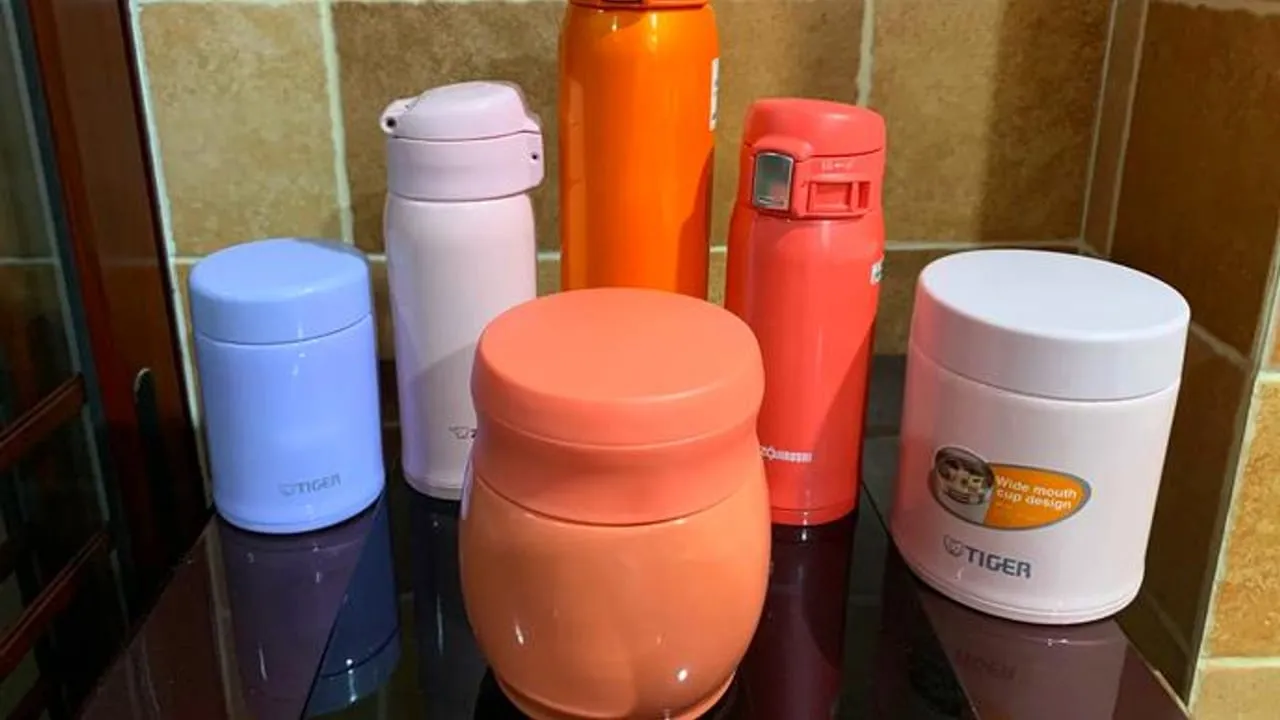
Glass vacuum flasks stayed on the table for most of the century. A 1994 Chinese copy of a 1988 Japanese original is why hot water now follows you around.
 Wellness · 养生
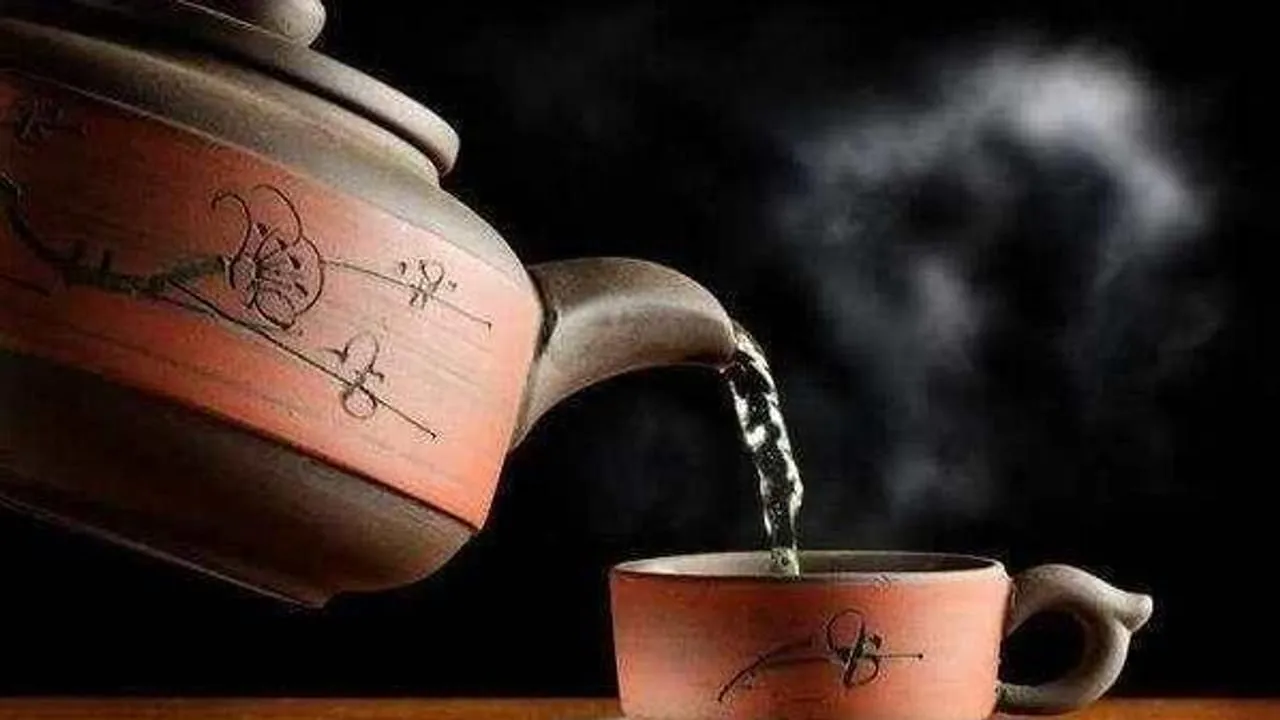
Hot water is China's default drink because of a 1934 hygiene drive, a 1952 public-health campaign and a 1985 water standard — not because it is ancient.